
In the Woods // Copán, Honduras
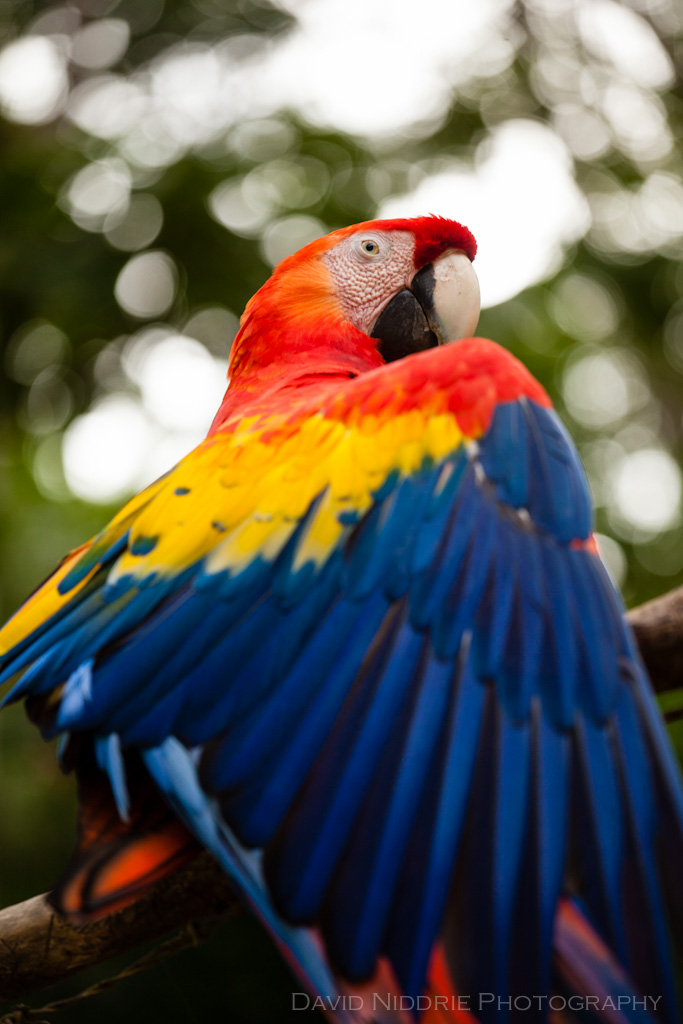
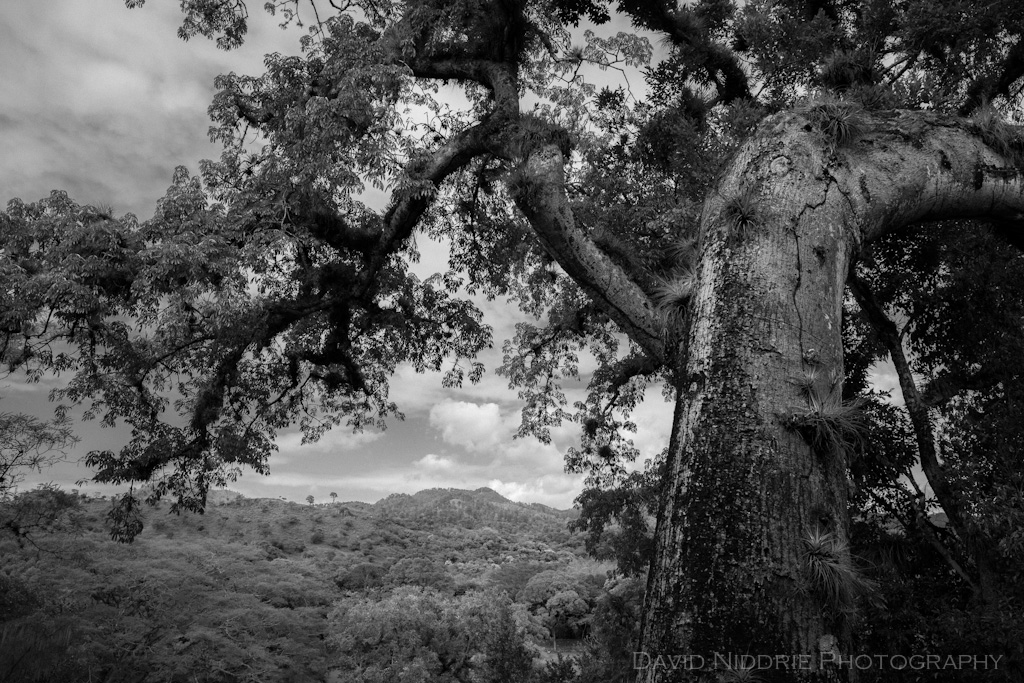
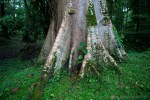
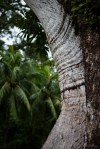
While the ancient Mayan site of Copán doesn’t have the same isolated feel as Tikal, the surrounding woods are still buzzing with life. The jungle is less dense, not as seemingly endless or pocketed with deep, dark secrets like it is further north in El Petén. But the trees are home to a rainbow of tropical birds, the most impressive to see in the wild – the Scarlet Macaw. In flight, these birds soar with a distinctive shape, their feathers tucked sharply behind as they glide from tree to tree. An amazing sight, especially when you consider having never actually seen a Macaw in flight before. Ceiba push towards the sun from deep below the crumbled stone of the temples, their roots twisted deep within the layers of Mayan construction over the millennia. Tree thorns warn you to approach with caution, anthills emerge as large as buried Beetles and spider holes are tucked like Bag’s End beneath root, step or vine. It’s easy to get lost in the world of the Maya here at Copán, and effortless, too, to fall into the spell of senses the jungles of Central America impart.
Copán, Honduras, 2011.


Duet With The Northern Sky
Copán, Honduras, 2011.
Float On Through Fog

Vancouver, 2014.
Maya // Copán

My goal with this Maya Archaeology series was to share some inspiring images and give a glimpse of pre-Columbian life in North and Central America. The mastery of the Maya people continue to amaze me, and I’ve been exploring their culture, philosophy and spirituality since my university days. Thankfully, I’ve also been fortunate to travel to some of the places I had been dreaming about for years. There is simply no comparison to standing in these ancient places, feeling the stone with your hands, the slant of light that has continued through the centuries, the powerful energy atop a 2000-year-old pyramid. With a history of challenges that extends far beyond the conquests of the 16th century to present day, the Maya I’ve met are gracious, kind-hearted people with a deep understanding of their environment — and their place within it. This connection with both the earth below and the universe above allowed the ancient Maya to flourish and develop practices in mathematics, astronomy, agriculture, architecture and religion that resound to this day.
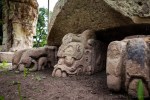
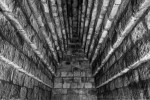
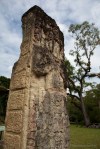
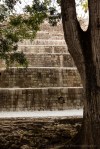
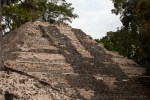
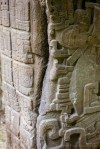
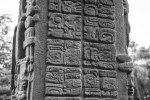
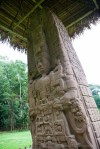
Finally, then, we arrive at the spectacular art city of the Maya: Copán. I’ve published a few photos and write-ups on Copán previous — Step on Stone, Face the Past, The Mayan Temazcal — and now for a larger collection from the ‘zona archeologica’ beyond the small town of Copán Ruinas, Honduras. You’ll find mostly detail shots here – the precise carvings are beyond anything I saw at other sites in Mexico and Guatemala and worthy of a closer look. Truly these craftsmen were at their peak during the rule of Copán, a dynasty that covered much of the Mayan history with about 2000 years of occupation at this site. While the pyramids are not as grand as Tikal or Chichén Itzá and the stella aren’t as physically massive as neighbouring Quiriguá, the scope of knowledge and history embedded in these stones and this place is overwhelming.
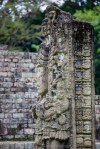
After a short stroll from the town, passing stelae along the way, you are greeted by Scarlet Macaw, recently re-established in the wilderness here in Honduras. Gorgeous birds, their motif is seen throughout Copán, notably the huge, 3D wall sculpture overlooking the ball court. The path then leads to a large clearing and this is where we spent some time. Stelae, altars, small pyramids and a temazcal are present. The stelae are incredibly detailed, telling the long story of the Mayan calendar, the rulers and dynasties, the battles and victories. Look carefully at the detail here – the rock, quarried from elsewhere in the valley and transported to site, now carved so distinctly and with great care. Each unique, with the ruler’s specific motif running through time.
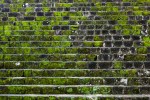
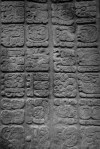
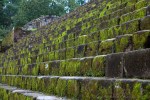
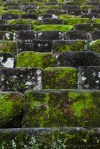
From here, we explored the Hieroglyphic Stairway – at 2200 glyphs, the longest such known – as history travels the extent of these steps. Now covered by canvas tarp, the ravages of time and environment are slowed for preservation and study. Next to the stairway, another massive set of steps formed part of a cauldron of seating, with a ballcourt below and throne above. Turtle sculptures peak from beneath altars, skulls decorate the upper acropolis, the Macaw appears, caught in flight. A howler monkey god holds a torch high. Jaguar motifs overlook the grounds. It’s clear the natural world was one with these people. Experiencing Copán today, hundreds of years later, may reveal secrets and truths to help us live in harmony with our lands, too.
Copán, Honduras, 2011.
Previously in this series: Uxmal, Kabah, Kabah II, Labná, Chichén Itzá, Tulum, Tayasal, Tikal, Tikal II, Quiriguá














Siwash by the Sea
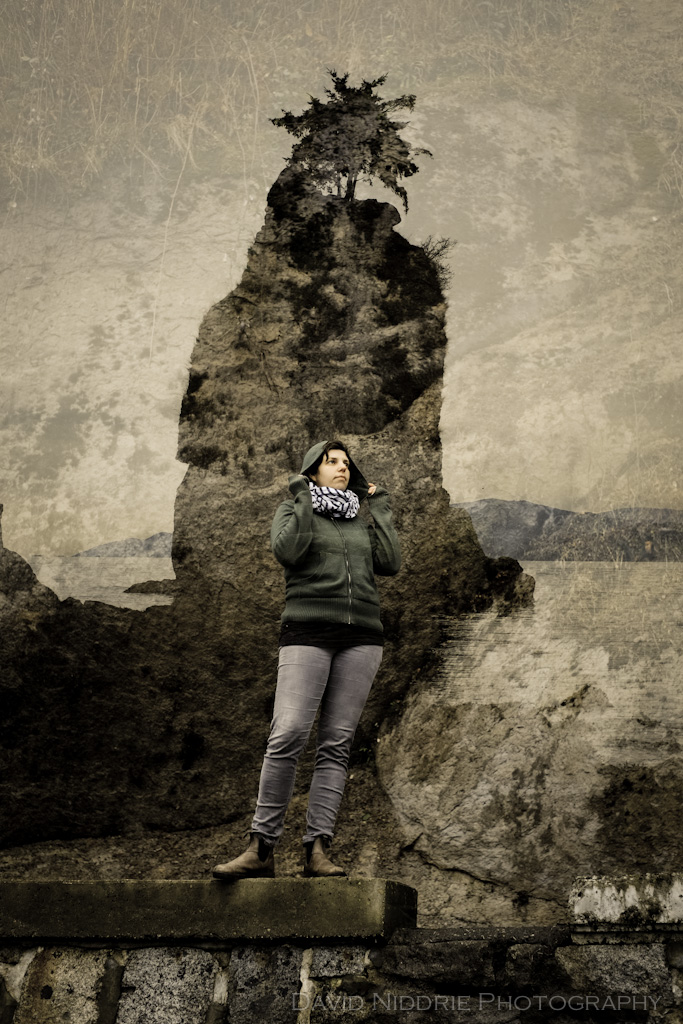
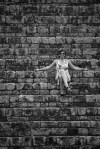
An in-camera multiple exposure from Stanley Park — the iconic Siwash Rock (Slhx̱i7lsh) with texture from the rocky cliffs adjacent, and Sandra looking out over the Sea.
Vancouver, 2014.
Where They Stand: Spectators at the Polar Bear Swim

What is everyone looking at? What are they doing over there, heads high, arms extended in the now common gesture of extending memory and vision with a camera phone? A long standing fascination with the culture of spectators means I turn my lens towards the audience at most events I’m covering. Here at the Vancouver Polar Bear Swim on New Year’s Day I came across hundreds, maybe thousands, of people craning their necks and elbowing to the front to catch a glimpse of some 2000+ swimmers braving the 8c water temp in English Bay. From behind, the sky was featureless and grey, the only colour coming from the jackets and hats of those still bundled up, happy to watch the festivities from on high.
At the sound of the bell, while swimmers jostled for position to slip into the Pacific, a wave of hands rose from the crowd and milliseconds were captured, posted and shared within seconds. It’s hard to take a photo in the busy city these days without seeing the familiar smartphone shuffle somewhere in the frame and it’s damn near impossible to attend an event of any kind without having a phone, or worse an iPad, suddenly blocking the view. At concerts it’s appalling, here outside at a festival it’s mostly quick snaps and back to the hot chocolate. It’s a little surreal to be three rows deep and find yourself instead of tip-toeing for a view, content to watch the drama unfold pixel by pixel on a tablet near you. Was it live? Were you a witness?
Vancouver, 2014.
(please click to view large – recommended)


Return to the Sea

‘Castle of the Sea’, under the Lions Gate Bridge in Vancouver on New Year’s Day, 2014.
Mussels Upon The Lions Gate
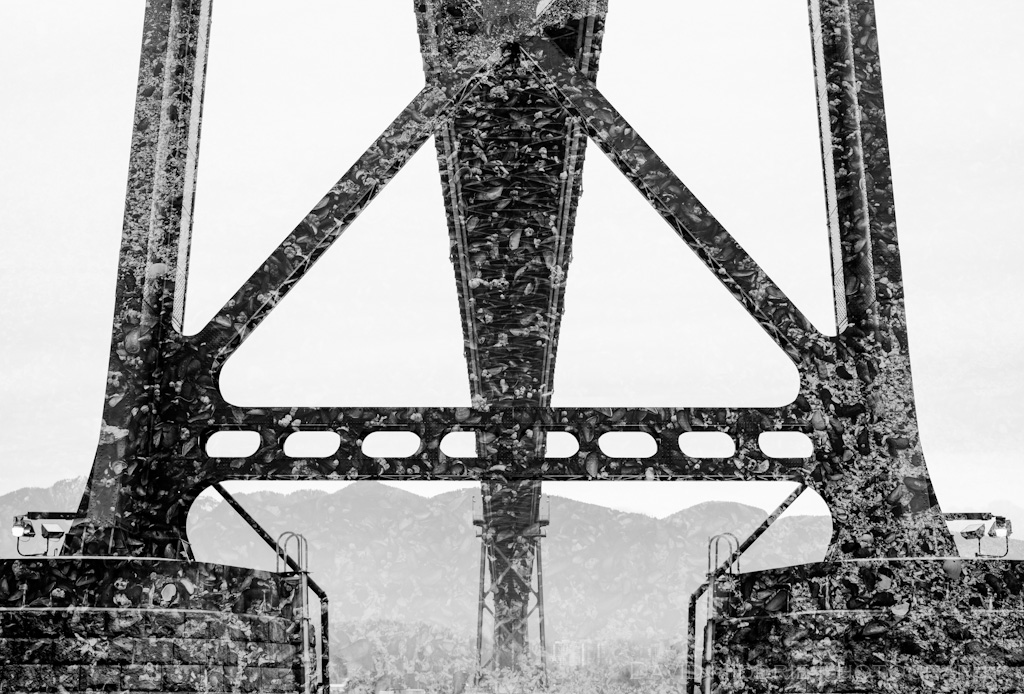
2014. Well here we are — best wishes to my readers for an excellent year to come! I thought I’d have the first post of the year an image I made on New Year’s Day. Cycling around Stanley Park to welcome the first day, I began work on a series of multiple exposures around Vancouver. All done completely in camera, I simply converted to B&W and adjusted contrast after the fact. Here is the first release above and I couldn’t be happier with how it turned out – combining the iconic Lions Gate Bridge and the low-tide seashore underneath. I will be making prints of this image available, so please drop me a line if you are interested in having this piece for a wall near you. I’d love that. Cheers!
Vancouver, New Year’s Day 2014.
A Weekend Up The Creek

A weekend on the Sunshine Coast, Roberts Creek in particular and specifically in and around Up the Creek Backpackers B&B. It seems we’re on the Coast every few months for visits with friends and some relaxing times – kinda love this place. We went up in November for the Banff Mountain Film Festival World Tour – an excellent program of adventure shorts from around the world. It was as if the entire outdoor community was in attendance, packing in the local high school gymnasium for the evening (this film – The Burn – was one of the highlights for me). We took in some great Gumboot brunch, as always, and generally hiked and explored both days ’til the sun went down. Inside, then, for big group dinners and tastes of Sunshine Coast ales from Townsite and Persephone. Good stuff! Here are a few snaps from the weekend escape, a short ferry from our Vancouver home.
Roberts Creek, Sunshine Coast, BC, 2013.


Maya // Quiriguá

From the mystical jungles of El Petén in the north, we travel south towards the Rio Dulce, then inland to Los Amates, Guatemala. Nest stop in the Maya Archaeology series — Quiriguá. Not on most traveler’s radar, Quiriguá was a must stop for us, and well worth the multiple buses, tuk-tuks and overwatering from our rest stop in Finca Tatin. It is a bit of a pain to get to, and the little town of Los Amates adjacent to the ruins doesn’t have much going for it. We could tell right away, what with the local teens all doing everything in their power to separate the quetzales from our pockets. We found a simple hotel – Hotel Royal – ditched our bags and caught a tuk-tuk back to the ruins.
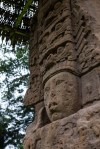
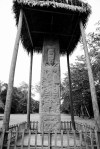
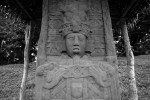
While a small site without many (excavated) building structures, Quiriguá is a must see for the assortment of gigantic, intricate and simply stunning stelae. The tallest, Stela E at 35 feet, is the largest known quarried stone in the entire Mayan kingdom and likely the tallest freestanding monument in the New World (that’s Sandra next to it below). These are HUGE pieces of rock, each carved so finely and woven with rich tales of dynasties, calendar events and tributes to the gods. They appear to be decoration, but they are in fact a critical communication and archival instrument. Some here have been removed from the site for care in Guatemala’s Mayan museums, but most are original. Covered by thatched roof, the stelae, altars and zoomorphs are preserved from the environment, but it sure makes a good photograph difficult.
In the images below, you will see some of these stelae standing tall. Altars are present as well, including some with animal and spirit motifs, but the zoomorphs are the oddity this time out. Zoomorphs are massive stone carvings, seemingly of a composite of beasts – jaguar, crocodile, toad, bird – together forming a unique, almost mythical creature. This was one of Quiriguá’s gifts to the Mayan canon.
Back in 200AD when the site was built up and occupied, ballcourts, temples and an acropolis show this was a grand city in it’s own right. Today it is a manicured site, restored and protected by UNESCO. With jungle immediately surrounding, the ceiba again makes a statement and the twisted vines give a glimpse of the clearing needed to uncover these treasures. Just outside of Quiriguá is the start (or middle?) of 1000s of acres of banana plantation. Quiriguá’s history is woven with it’s ancient neighbour Copán, now in present-day Honduras. We’ll travel to Copán – the glorious art city of the Maya – next in this series, so stay tuned!
Quiriguá, Los Amates, Guatemala, 2011.
Previously in this series: Uxmal, Kabah, Kabah II, Labná, Chichén Itzá, Tulum, Tayasal, Tikal, Tikal II









 Meeting Fires Creative