
Maya // Tulum
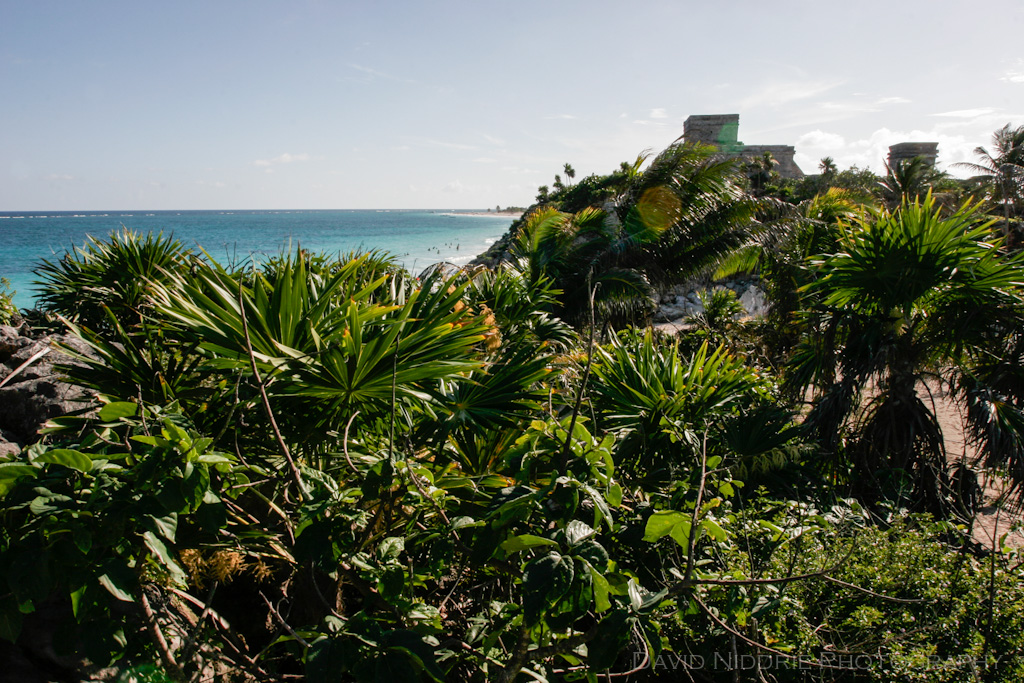
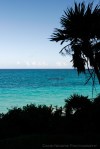
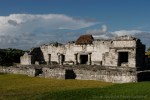
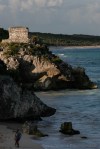
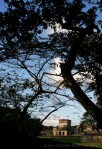
Tulum, situated on a cliff above the Caribbean Sea on México’s Yucatán peninsula, is perhaps the most dramatic Postclassic Maya site. As with other late-period architecture, the buildings here are more utilitarian than artistically decorated ceremonial centres, and as such it’s not the most obviously spectacular ruin in that sense. Consider then, the structures were built around 1200AD — they are far from simple. As a coastal port of call for surrounding Maya centres such as Cobá, Tulum was an essential link in this great dynasty and was the last Mayan site to be occupied prior to Spanish conquest in the 1500s.
Highlights include the great view of course, a secluded cove and landing beach welcoming you to the sea just below El Castillo and a nicely restored collection of buildings, altars and inscriptions. Tulum was also known as Zama (translation: City of Dawn) and as expected, the sunrise from this coast is astounding. Tulum is definitely worth a visit if you are staying in the area (the ‘Mayan Riviera’ stretches 125km up the coast to Cancún). Just don’t forget your trunks for a swim in the turquoise waters of the Caribbean below.
This is a continuation of the Maya Archaeology series, with Uxmal, Kabah, Labná and Chichén Itzá. Presently, we’re heading south into the jungle of Guatemala…
Tulum, Yucatán, México, 2008.





Maya // Chichén Itzá

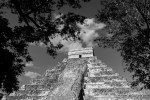
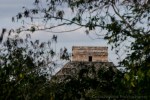
Chichén Itzá. Even those with a passing interest in pre-Columbian history know the name. It is the most famous Mayan archaeology site on the Yucatán, if not throughout the ancient Maya dynastic region. It’s one of the Seven Wonders of the Modern World. North America’s very own grand pyramids. A ceremonial centre with strong ties to astro-archaeology, celestial events and the natural world. A place to gather on the equinoxes to watch the plumed serpent shadow crawl down the side of the glorious pyramid – El Castillo – as it has for more than 1500 years. In short, it’s astounding.
As a student of archaeology, particularly Meso-America & Mayan (before the photography bug caught up with me that is), my first real world look at a Mayan ruin was here, at Chichén Itzá, and it blew my mind. We were on a family holiday on the ‘riviera’ and a short day trip from the Playa del Carmen region took us right to the gates. The gates beyond the parking lot filled with tour buses, private automobiles and hawkers, hawkers, hawkers. It was a whirlwind of everything all at once. Once inside, the temptation to buy from any of the 100s of vendors lining the paths was only tempered once you realize it’s mostly all the same stuff. Masks, cloth, pyramid trinkets, cold water. Ok, cold water please! It was damn hot that day, even the breeze was a hot blow dryer of air.
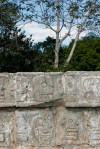
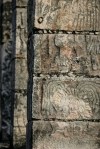
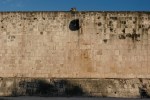
The first big sight is El Castillo, now properly restored people are no longer allowed to climb this structure. From the earth, it is impressive. Waiting for a spell to find a shot without throngs of people was an exercise in patience. It’s ok — this place begs for meditation and reflection. You are amongst giants in the ancient world. A place so in tune with the surroundings and the sky, planets, sun, stars. You can feel the energy here, and this was just a regular day, far from the craziness of solstice or equinox. Other areas of the site are equally intense — the Caracol observatory, the massive ball court, the huge cenote (“sacred water, underground river”), the effigies of deities, the wooden beams still built into the walls. Iguana everywhere.
Stay long enough and the tour buses will depart, the hawkers will begin to thin and the late afternoon tropical light starts to play off the structures, inscriptions and glyphs. You get a sense of what the serpent might look like on equinox and plan to return for that celestial spectacle, even in your mind’s eye alone. The empty ballcourt beckons for one last shot as the light fades. Masks are selling for just a couple pesos now, the water is no longer cold and it’s time for tacos and cerveza in the neighbouring town, before the short drive back to the coast.
Stay tuned for more from this series, including the gem of this coast – Tulum – coming up next.
Chichén Itzá, Yucatán, México, 2008.













Previously: Uxmal, Labná, Kabah and the Kabah arch in the Yucatán.
A Tangled Harmony
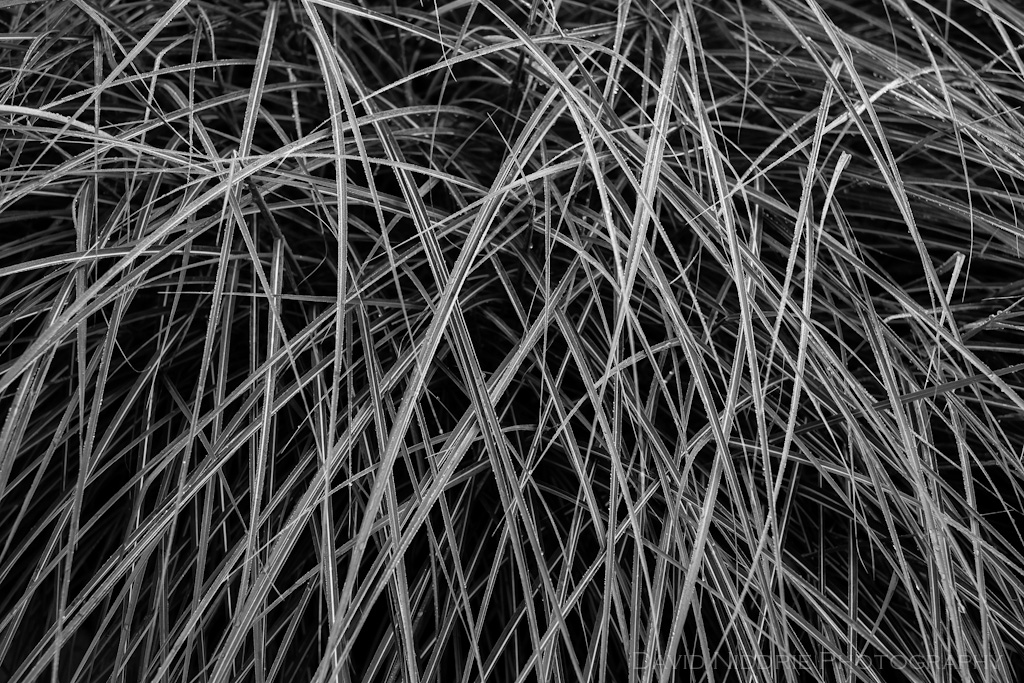
Temperatures going down, humidity going up, droplets on the garden grasses and light frost on the clear days. Yup, winter is coming but dang, it sure feels good so far!
Vancouver, 2013.
Maya // Arch of Kabah
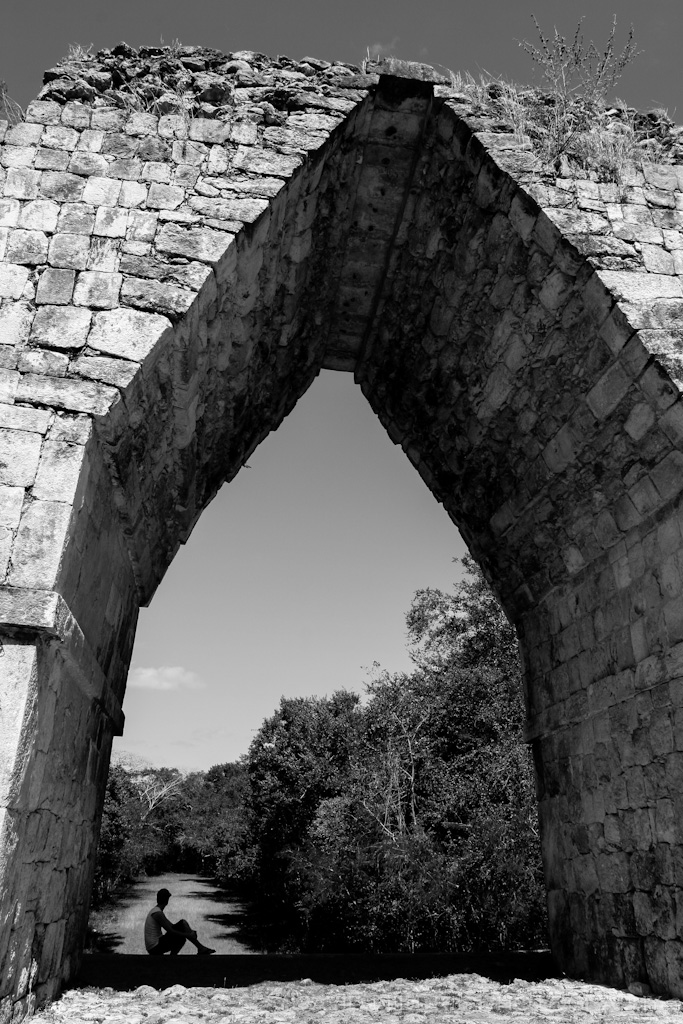
Kabah (“mighty hand”) isn’t only about the Palace of Masks (although it’s hard to top the beauty of that spectacle). Across the highway is a very large structure – the Grand Arch of Kabah. One of what was once many across the region, these arches were mostly along the sacbé, the sacred white walkways between the ancient cities, or as entrances to ceremonial grounds. Remnants of the sacbé exist under the arch, and further down the trail. This sacbé continues to Uxmal, and represents one of the main transportation routes in the area. Of course, much is still buried under a thousand years of jungle growth. My brother Jon relaxes in the shade of the Grand Arch above, our only respite from the intense sun in this area. While under the arch, sound does strange things, muting your voice and playing tricks on your ears. Hard not to suspect this was somehow all part of the plan. While this arch isn’t as grand as the more restored arch of Labná it is still worth the short sidetrip as it stands alone in the woods.
If you missed the first posts in this continuing series, we’ve looked at Uxmal, Kabah and Labná so far, turning our gaze to one of the wonders of the world next – Chichén Itzá.
Kabah, Yucatán, México, 2008.

Acadia Beach

As the sun descends into the Salish Sea last night on Acadia Beach, Vancouver, 2013.
Maya // Kabah
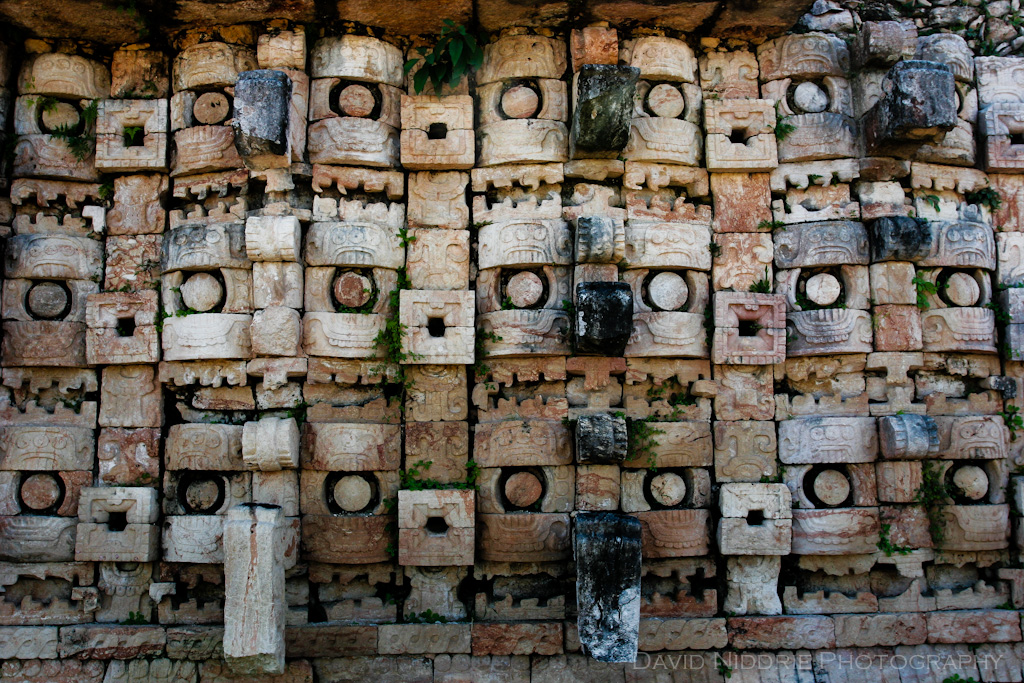
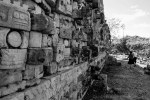
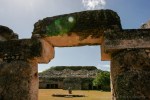
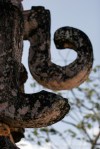
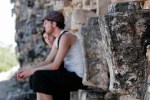
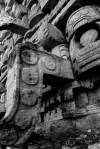
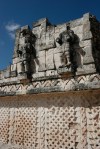
We’ve seen Uxmal and Labná, now here is Kabah – my highlight of the smaller sites along the Puuc route. Why? Simple: The Palace of Masks (above). On the front of this magnificent structure (also called Codz Poop) are some 250 masks of the rain deity Chaac, with his signature trunk-like nose and large eyes. This facade with it’s row after row of masked faces is unique among Mayan architecture. It took archaeologists and restoration experts years to put together the pieces to this puzzle as they reclaimed the site from the jungle foliage. You can see rows of stone set in the fields around the palace, awaiting similar restoration.
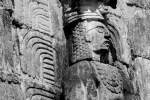
Coming into the site and seeing the Palace of Masks for the first time is breathtaking. Then you walk around to the back of the structure and find two full human figures prominently up on high. This was the first time I had seen a full representation, in lieu of typical faces and masks. Amazing. The Palace Group is a multi-roomed structure with columns and doorways in various states of repair. Vultures sat upon the masonry as they have for centuries, the sun beating down on this open site. Citrus and other fruit trees soak up what little moisture the ground provides, hence the dedication to the rain deity here on the peninsula.
Stay tuned for more Mayan Archeology from the Yucatán and onwards into Guatemala and Honduras…
Kabah, Yucatán, México, 2008.







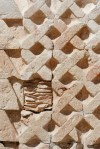

Morning Mist
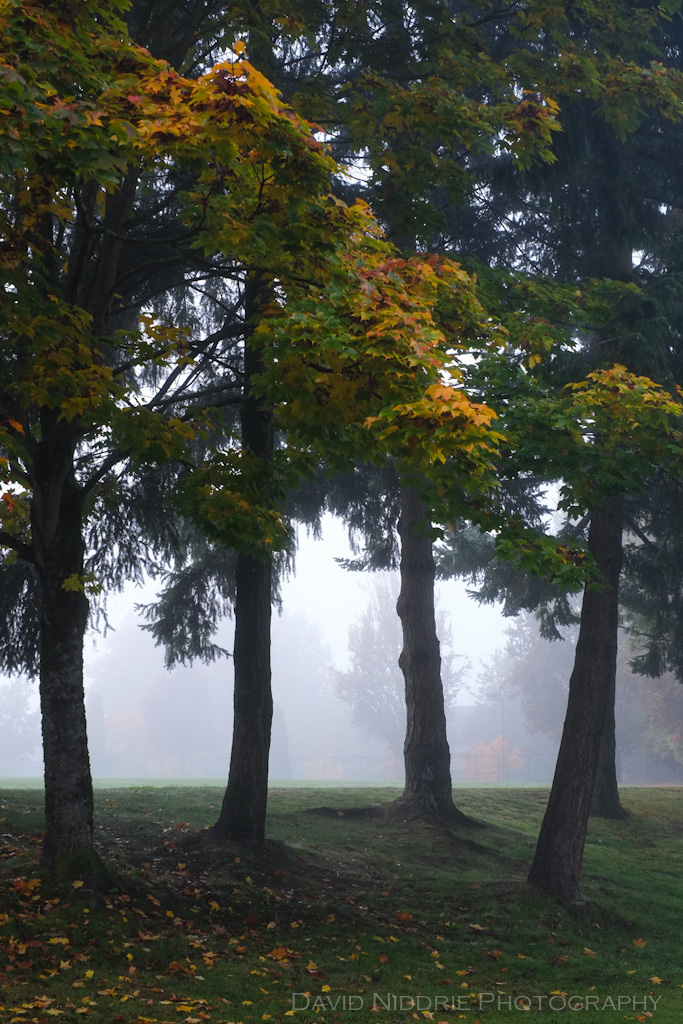
A shot from a few weeks back when the mornings were thick with fog and the ride into Strathcona was moody and mysterious. Vancouver, 2013.
Maya // Labná

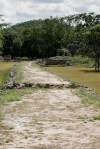
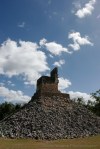
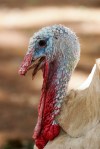
Continuing my Maya photo series, we’re in the Puuc hills at Labná, dating from between A.D. 600 and 900, and only a short way from Uxmal, the ceremonial centre of this region. You are greeting by turkeys, a caretaker’s thatched-roof house and soon, El Palacio – the ruins of a large building in the Puuc-style of architecture. Chaac masks are present, a serpent is seen with a human face emerging from the mouth (image above) and a reconstructed sacbé leads to the open middle grounds. Sacbé is the ‘white road’ the ancient Maya constructed as sacred walkways connecting their cities. This one had run 30km to Uxmal and points beyond. The stunning arch seen in the middle images has been extensively restored, giving a glimpse of what once was in these parts. Other arches have been lost to time and the jungle. Past the arch is El Castillo – the remains of a pyramid now perched atop a large pile of rubble and rock.
In these images, you can see the landscape of the Yucatán – very flat, dusty and hot yet shaded by the mighty Ceiba tree – the Tree of Life – a common site at Mayan archaeological sites. And this is along the Puuc route, the hilliest area around. Little elevation gained here, yet the smallest of hills in a clearing allows a vista stretching across the land, with pyramids and temples visible in the trees if you look carefully. Labná is a small site worth a visit for the arch alone, and visitors will be rewarded with a deeper look at the natural state of these ruins after the jungle has been cleared.
Stay tuned for another gem on the Puuc route – Kabah, coming up next.
Labná, Yucatán, México, 2008.






People of the Corn
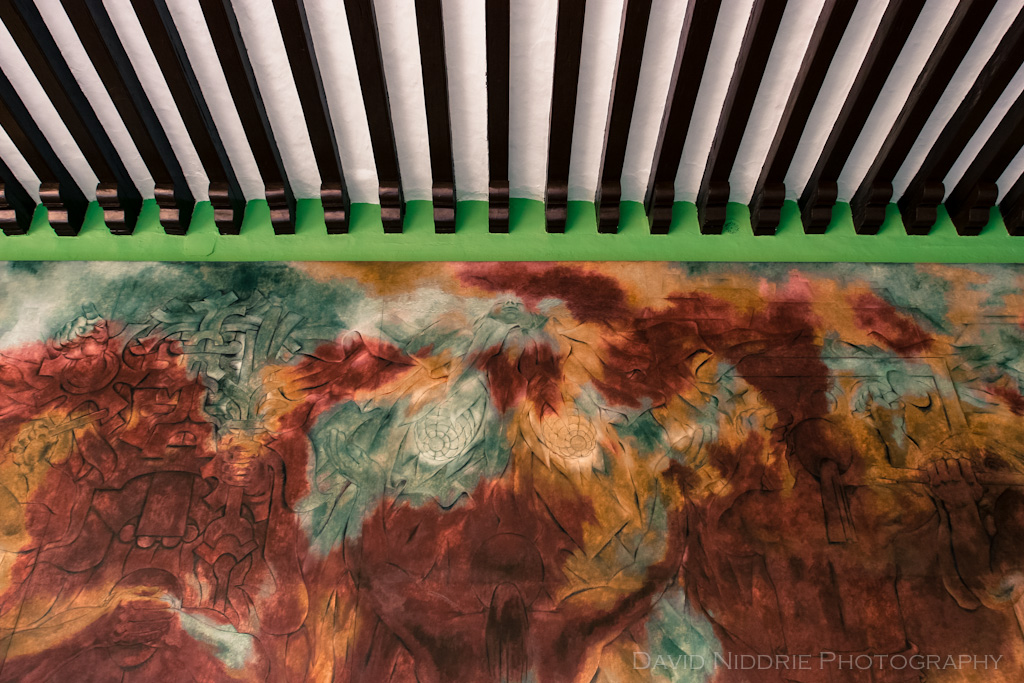
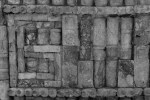
Part of a large mural detailing the creation, history and destruction of the Maya people in Mérida’s Palacio de Gobierno.
Mérida, Yucatán, México, 2008.
Maya // Uxmal
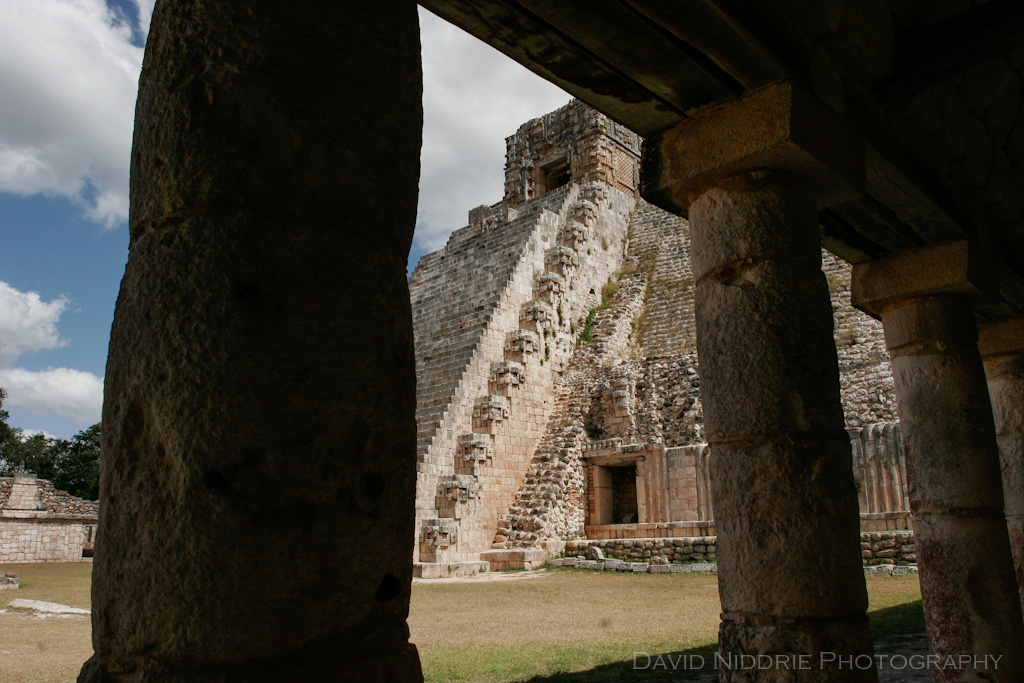
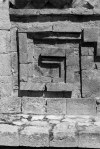
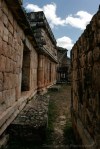
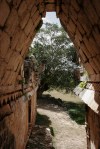
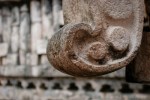
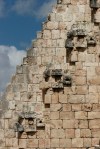
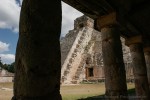
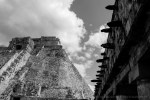
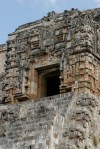
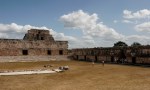
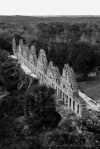
The first in a series of posts about Mayan archaeological sites in North and Central America. After a quick tease from Uxmal — the House of the Doves – I thought I’d start with this grand city in the Yucatán. Of all the Mayan sites I’ve explored, Uxmal holds a special place in my heart. It was on my first Mayan adventure in 2008 when myself, Sandra and Jon travelled the peninsula after a family holiday. We had a daytrip to Chichén Itzá for the wow factor earlier on, then rented some wheels for a trip around the Puuc region – the Yucatán’s only really hilly area – to explore some more off-the-beaten-path sites. More on these in upcoming posts.
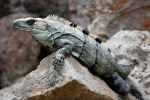
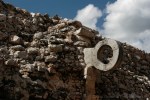
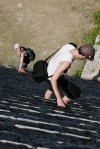
Uxmal is an impressive site. First of all, it is massive and features a number of pyramids and temples as well as very large courtyards, roomed quarters, a ballcourt and remnants of the sacbe road connecting with other sites. It’s also practically empty. After the tourist crush of Chichén Itzá (it is a wonder of the world after all), it was refreshing to have Uxmal mostly to ourselves. Aside from the ubiquitous Green Iguana and the odd vulture, of course.
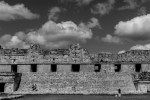
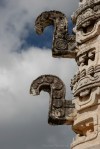
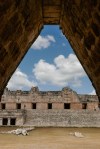
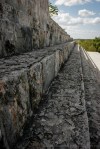
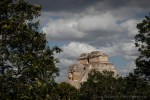
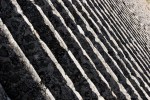
Described as one of the masterworks of Maya civilization, Uxmal features intricate and expansive stonework, unique architecture in the oval Pyramid of the Magician, the improbably steep steps up the Grand Pyramid and the wonders atop, the stunning ruins of House of the Doves, the boggling Nunnery Quadrangle and tributes to Chaac (the rain deity) everywhere. Making use of the hilly landscape, Uxmal will not disappoint even the casual Mayan explorer and it’s hard not to gape at this place, built between 700-1000AD and supporting a population up to 25,000 at the time. It is not to be missed, and a fitting start to the beautiful ruins of the Puuc route just down the road.
Uxmal, Yucatán, México, 2008.



 Meeting Fires Creative