
On Visiting the George Floyd Memorial in Minneapolis
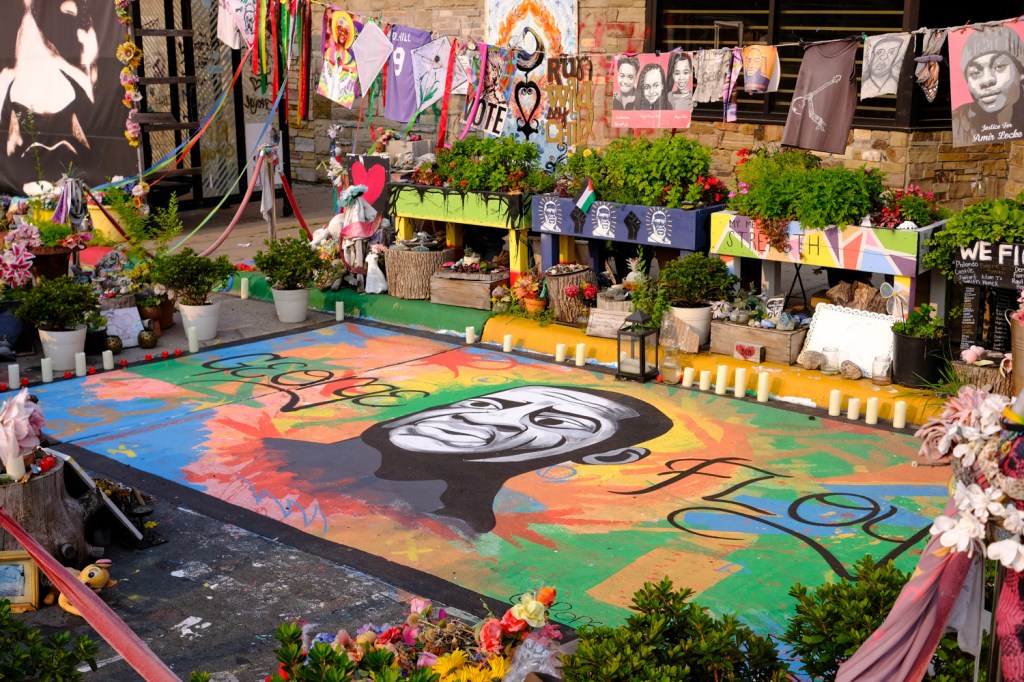
It had been four years since the death of George Perry Floyd when I visited the memorial square in Minneapolis’ Powderhorn neighbourhood, on the city’s south side in the summer of 2024. Floyd, 46, was murdered on May 25, 2020, his life snuffed out by a man named Derek Chauvin – a white Minneapolis police officer with a history of violence and racism. Floyd was accused of trying to use a counterfeit bill at a store and when four officers arrived at the call, it wasn’t long before Chauvin was subduing Floyd by kneeling on his neck. For nine full minutes, as Floyd called out to his mother, asked for his kids to be told he loves them and repeating “I Can’t Breathe” more than 20 times, Chauvin was extinguishing his life right there on the street, under his knee. After a series of high-profile killings of black Americans at the hands of law enforcement – indicative of vast underreported cases across the country – this was a flashpoint that galvanized action.
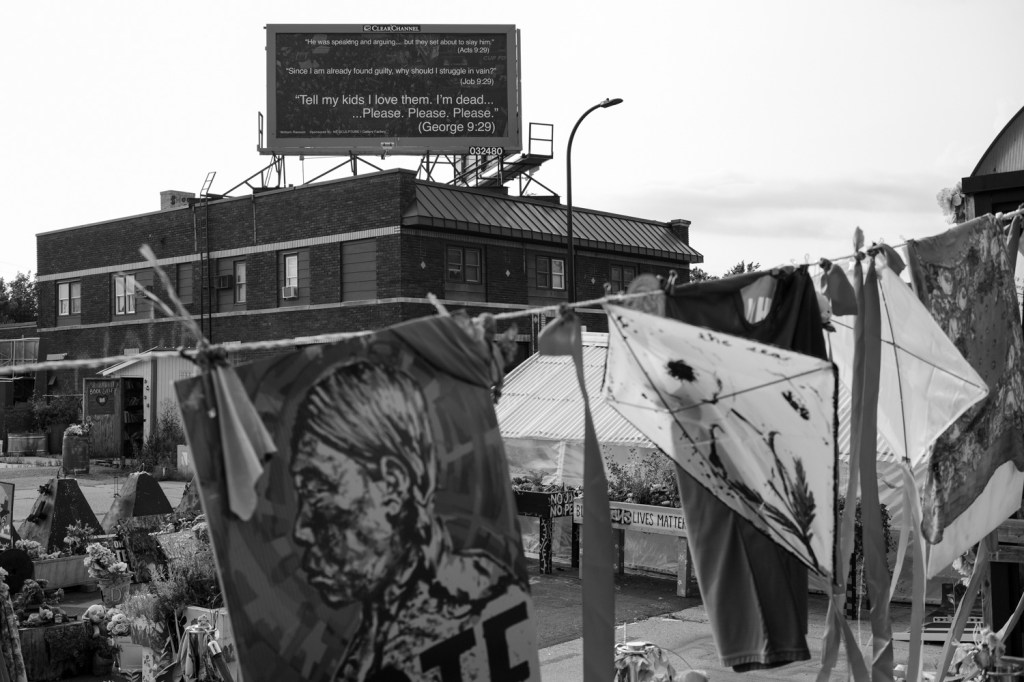
“Momma, I love you. Tell my kids I love them. I’m dead.”
I remember hearing about the case as it happened. Covid-19 had us mostly at home that spring, dealing with pandemic issues and trying to find a way to get through this thing, together. The killing hit social media like a firestorm and people simply could not be silent. I was struck with heavy emotion and I had no relation to any of these people or places. But I have a sense of institutional oppression and the power dynamic that enables. I’ve seen it used here in Canada against Indigenous Peoples and, in the years prior, first hand accounts of these abuses of power as more incidents are filmed by the public. The violence was shocking. A man knelt on another man’s neck, as he pleaded for air, gasping with a diminished voice to have some mercy. Nine minutes is forever. Sit still and close your eyes for nine minutes. Can you? It feels like an eternity. This fact made myself and everyone I know react. How could you not? It was unusually cruel, outwardly racist and horrifically uncalled for considering the alleged offence. The world was shocked, and compelled to act.
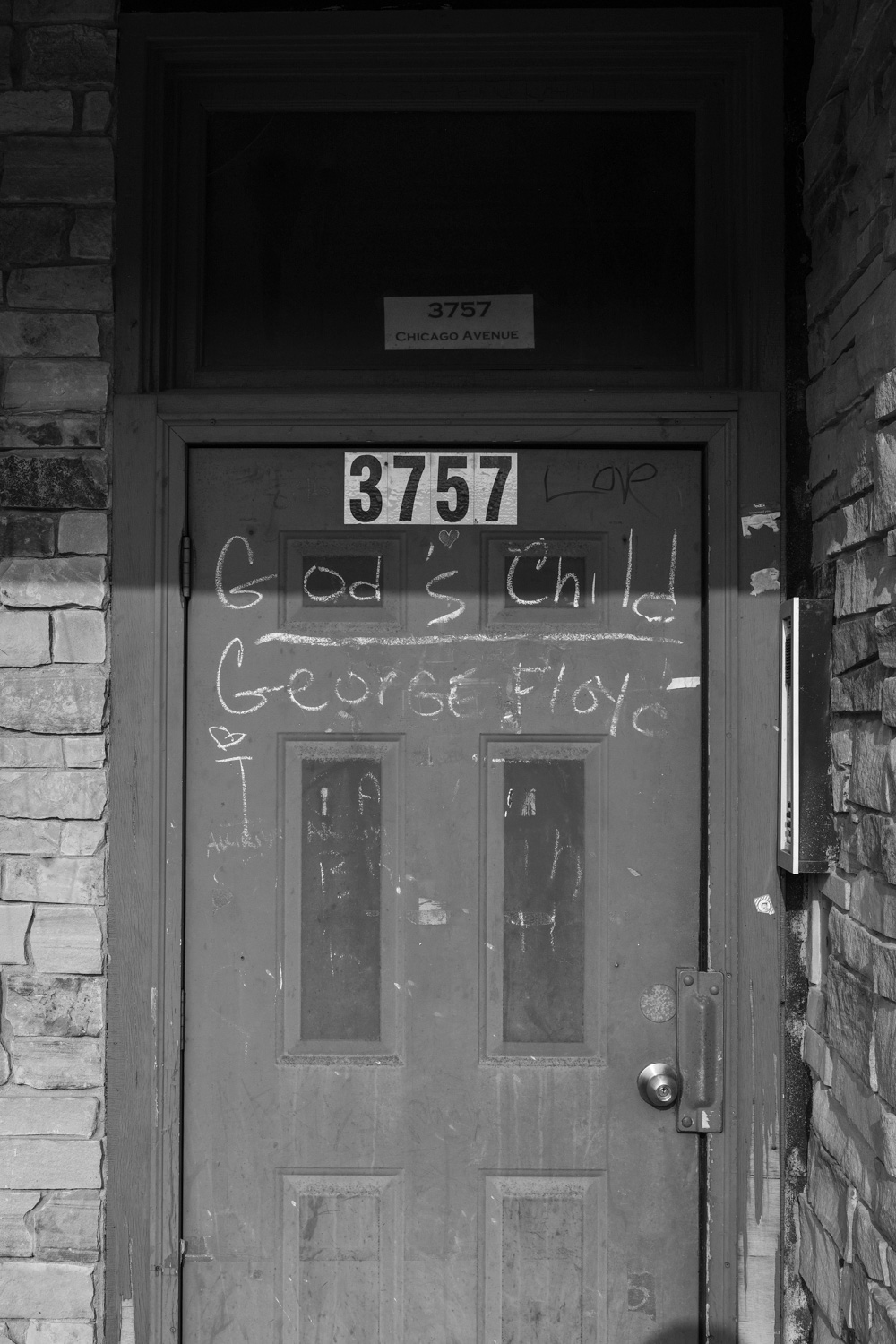
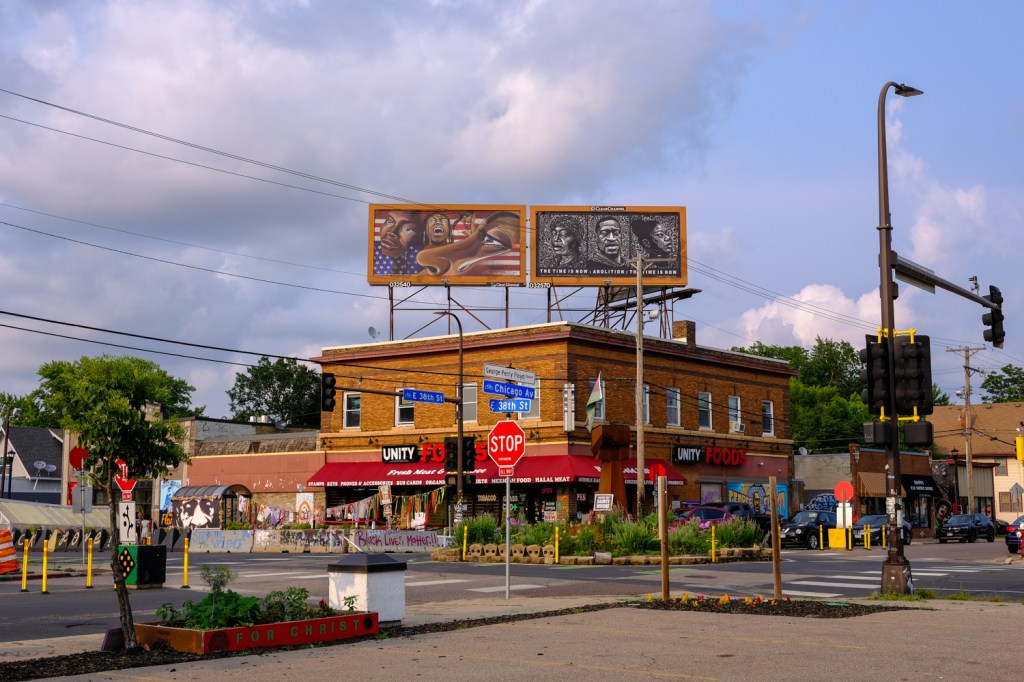
In Minneapolis, the reaction was immediate. People flocked to the corner of Chicago Ave and 38th Street, the site of the killing and a memorial grew by the hour. The police were not welcome and soon enough, there was a clash between those with the uniforms and guns and those wanting justice for George. Things spiraled and the actions spread throughout the USA and beyond. Everyday people in major cities across the country meeting up and demanding action. It seems like every place had their own version of this story. And every day we’d hear more of them. Soon enough here in Vancouver, a protest action was called and, Covid-be-damned, a large gathering of people came together to say it loud:
“Black Lives Matter”
I’m a white Canadian man and I acknowledge my privilege in being born this way. In my life I strive to lift up and support those I see being mistreated or underrepresented. It’s not my mission in life, but it is a core value of mine. I add my voice to an assortment of protests and petitions, supporting Indigenous sovereignty, human rights, social and environmental justice in many forms. I don’t say this to brag, my actions barely touch the surface of what so many have dedicated their energy to. But I am a sensitive person, and I know what I feel inside when I see these abuses of power. It angers and upsets me, and compels me to understand more. In that I am not alone.
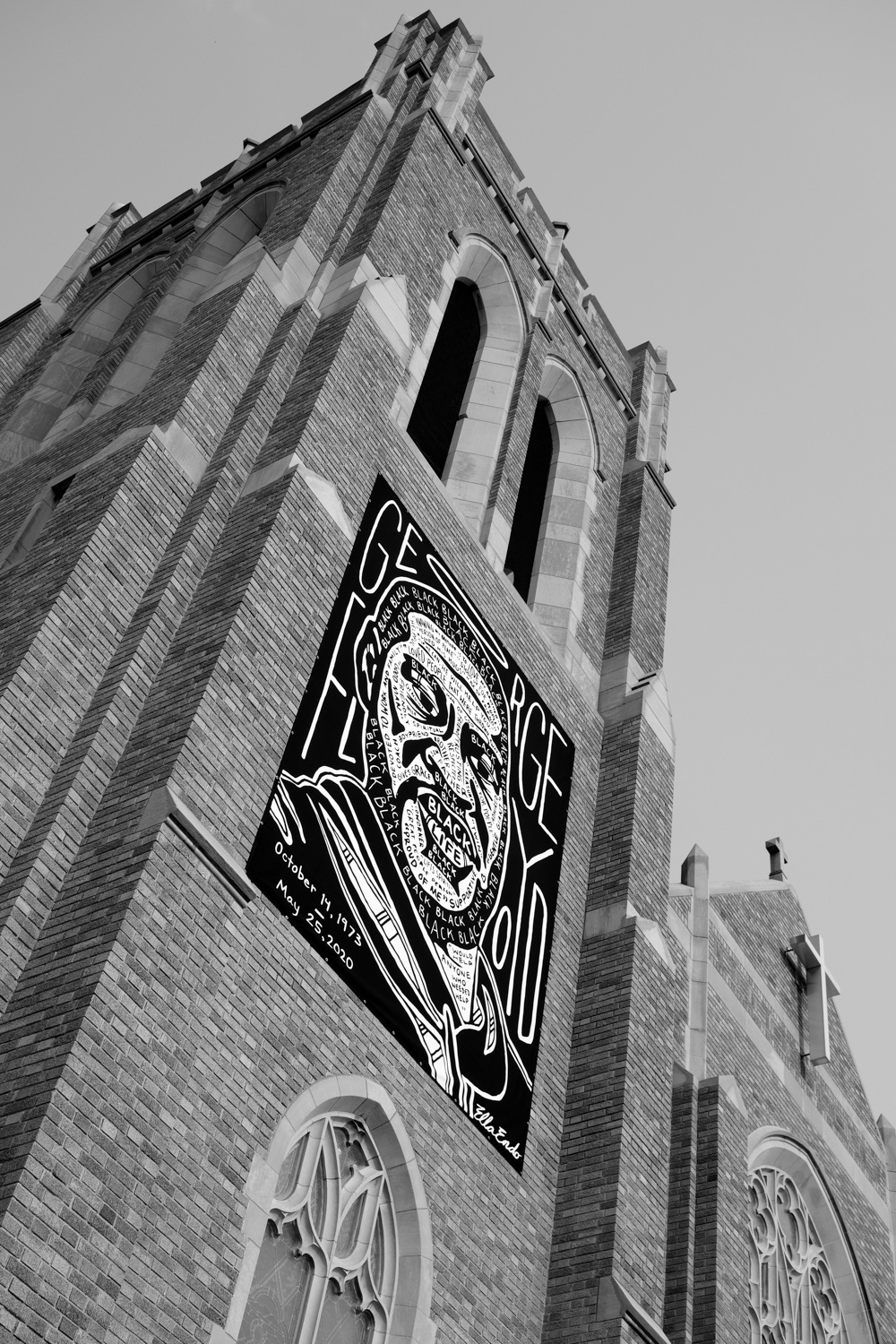
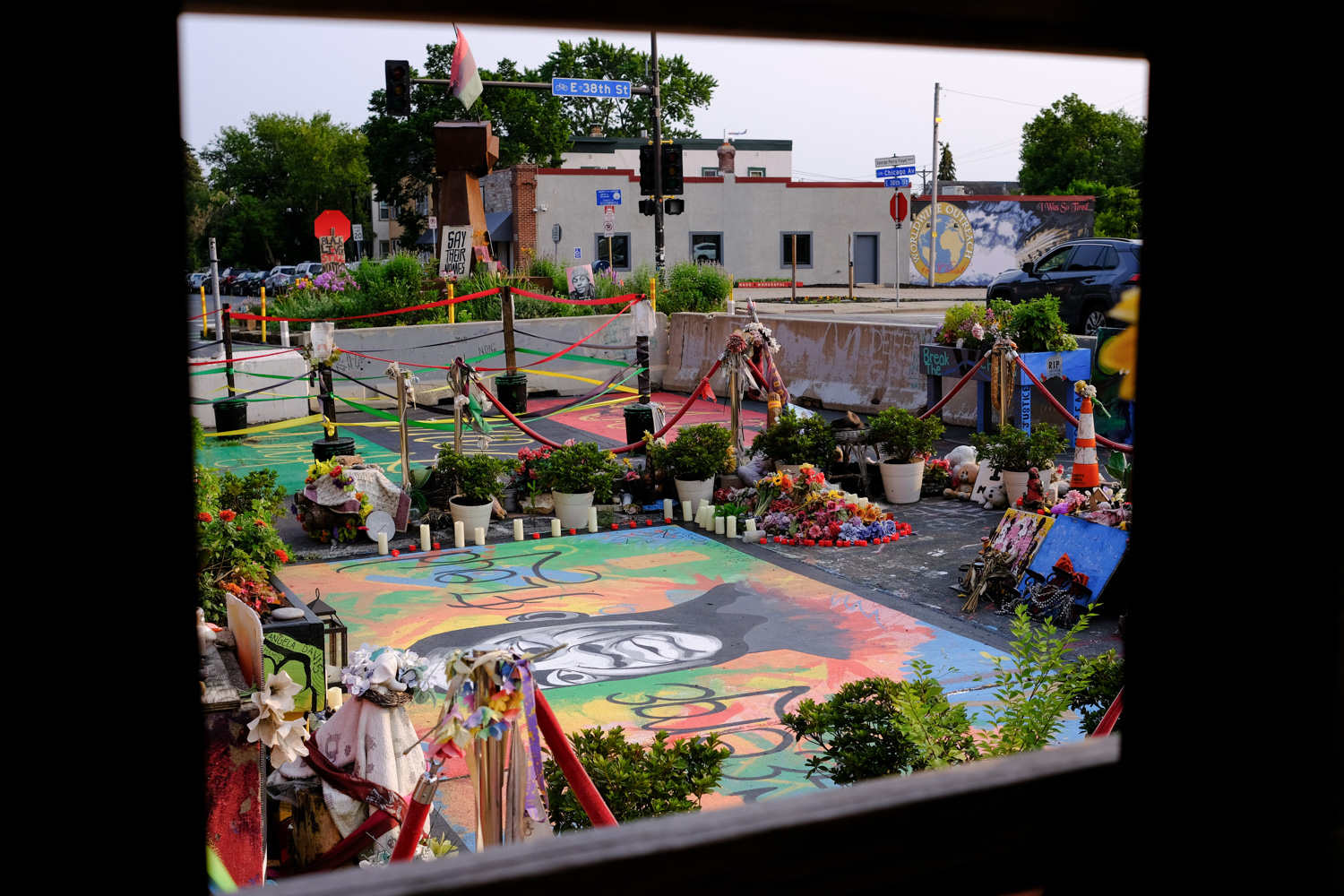
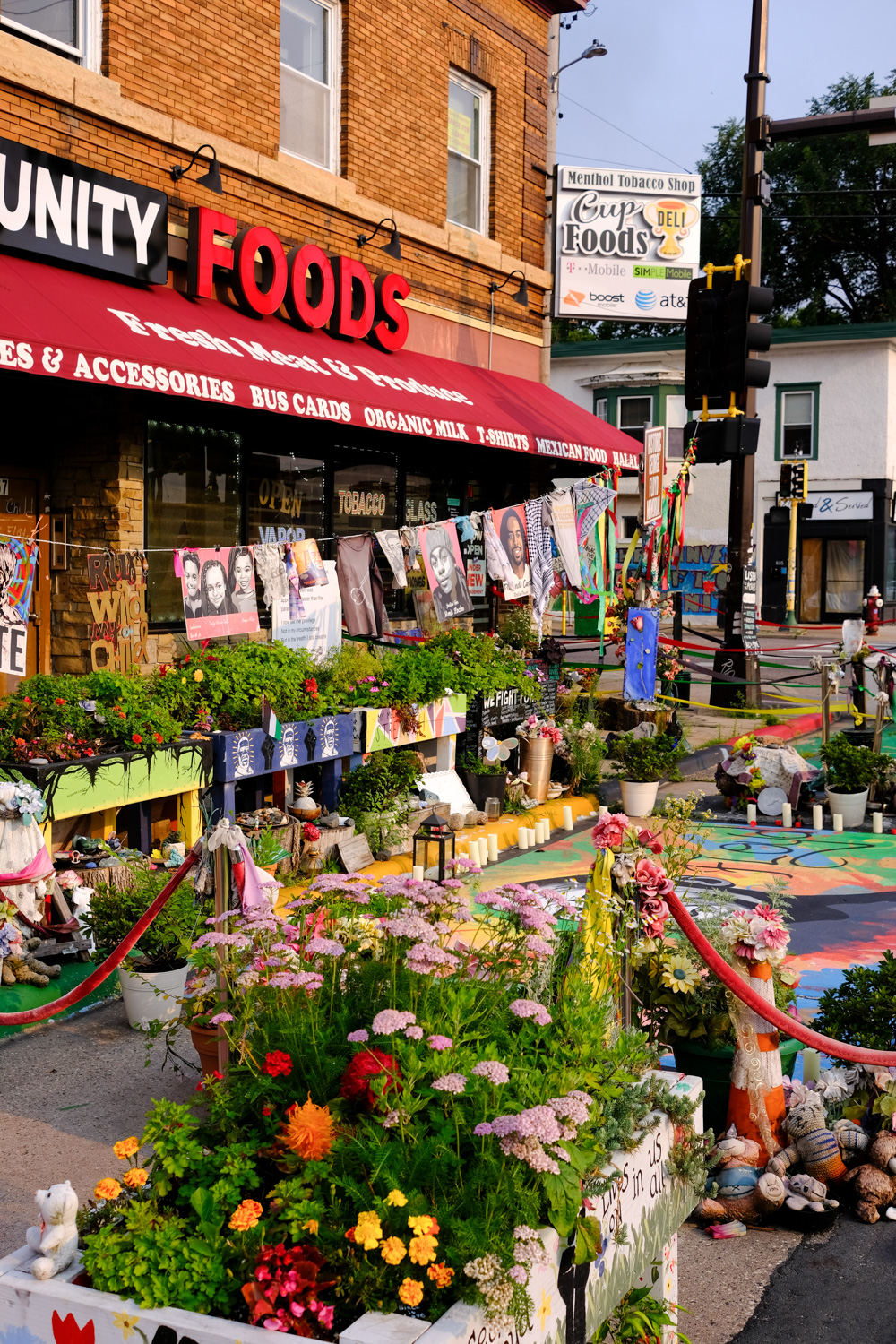
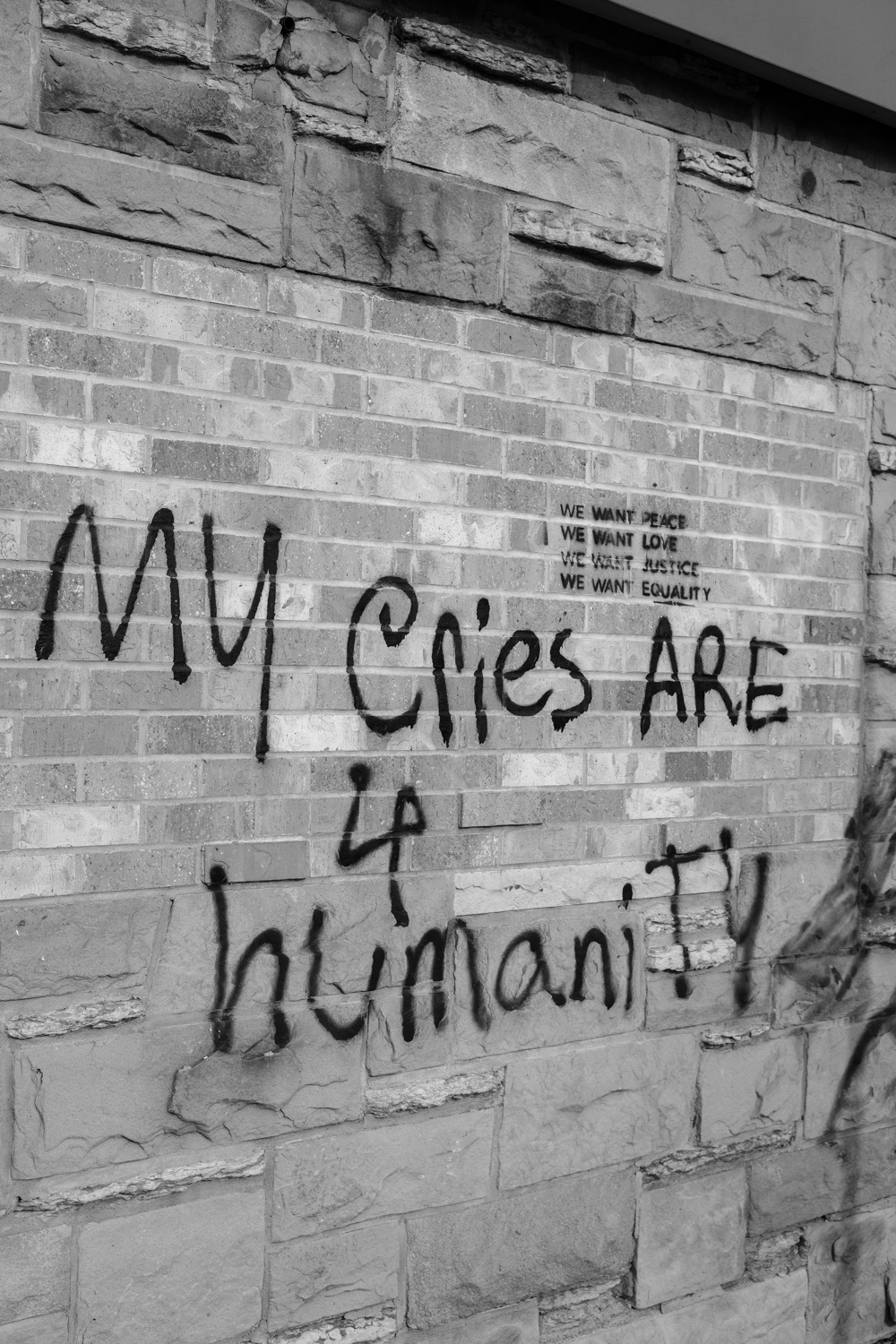
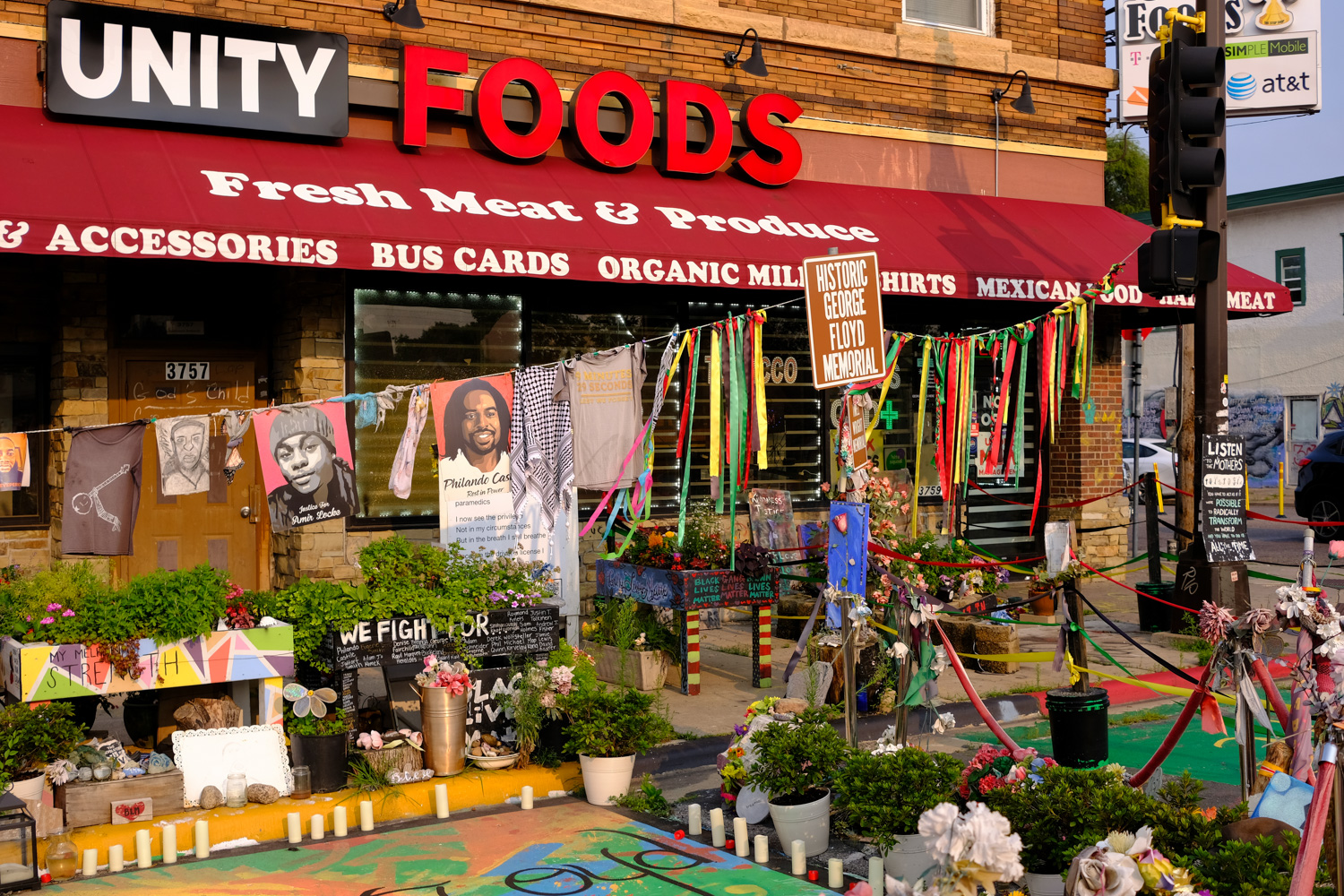
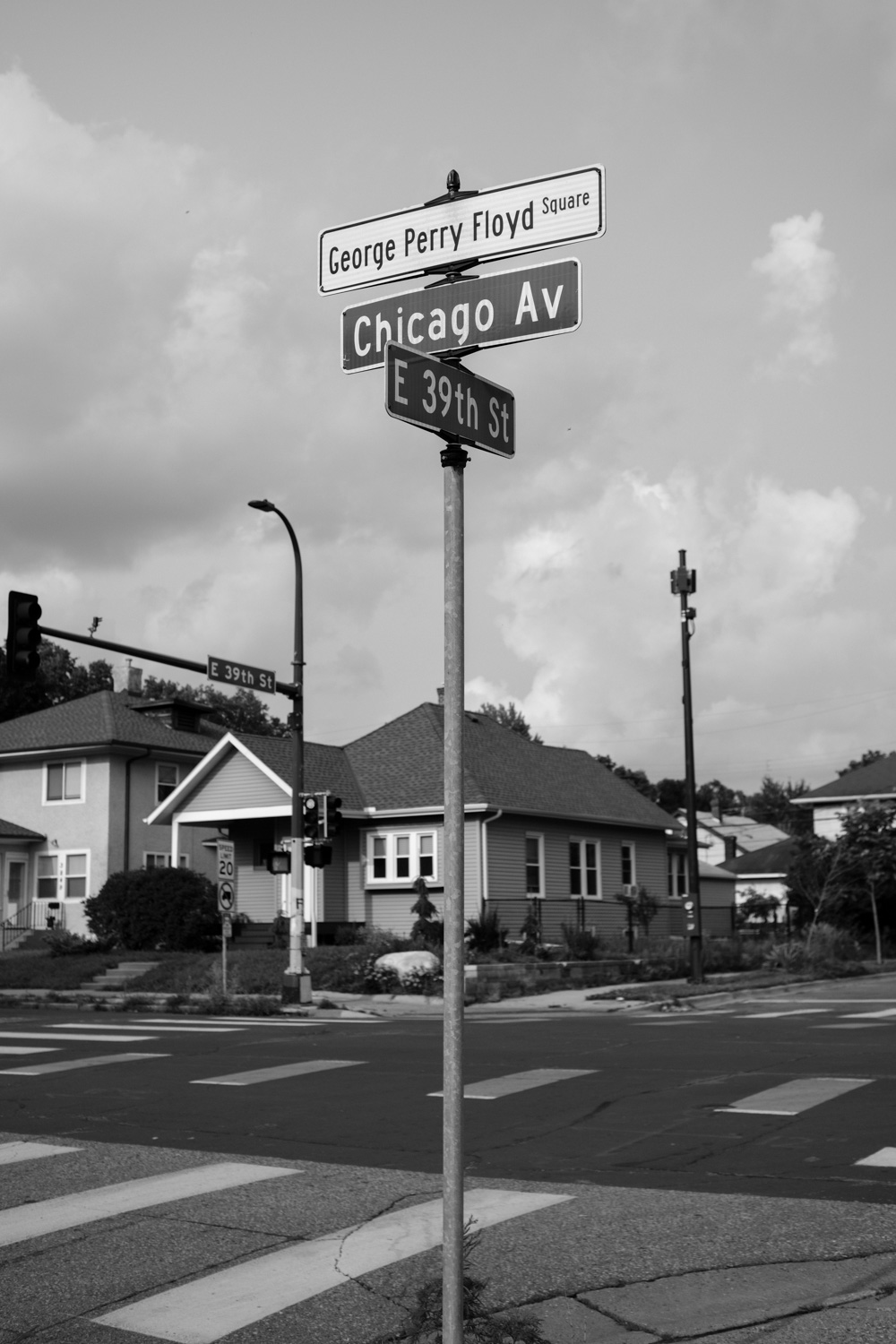
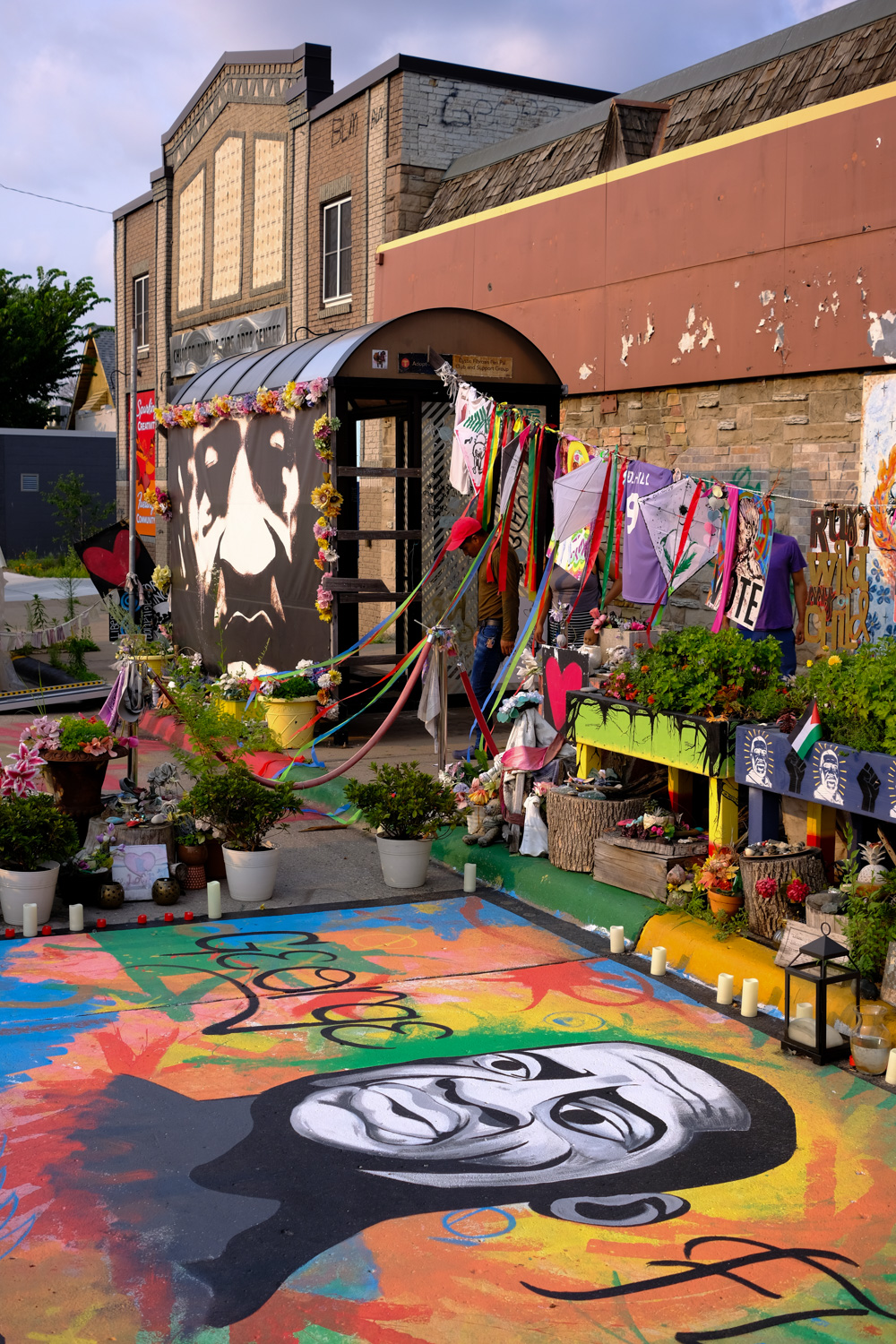
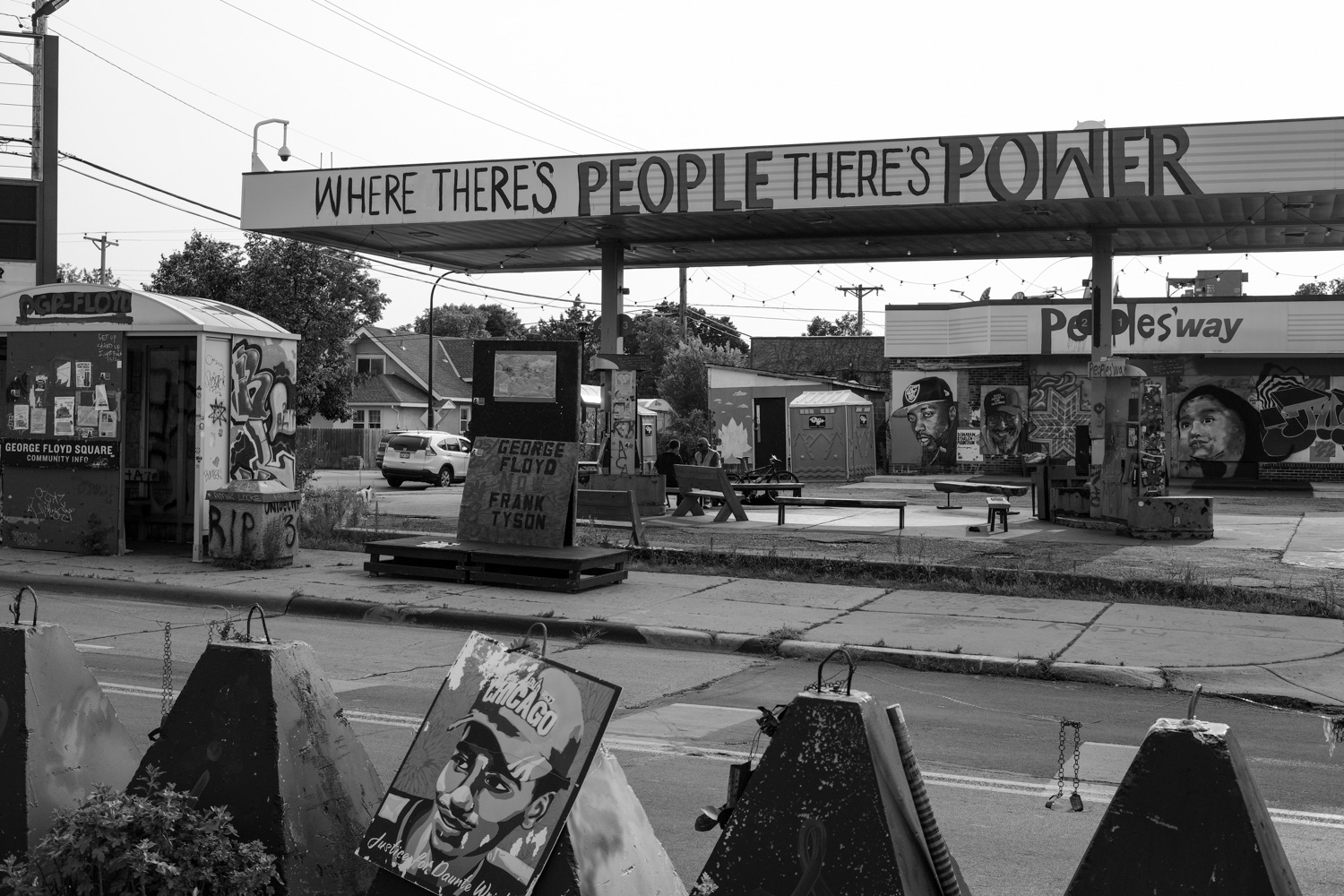
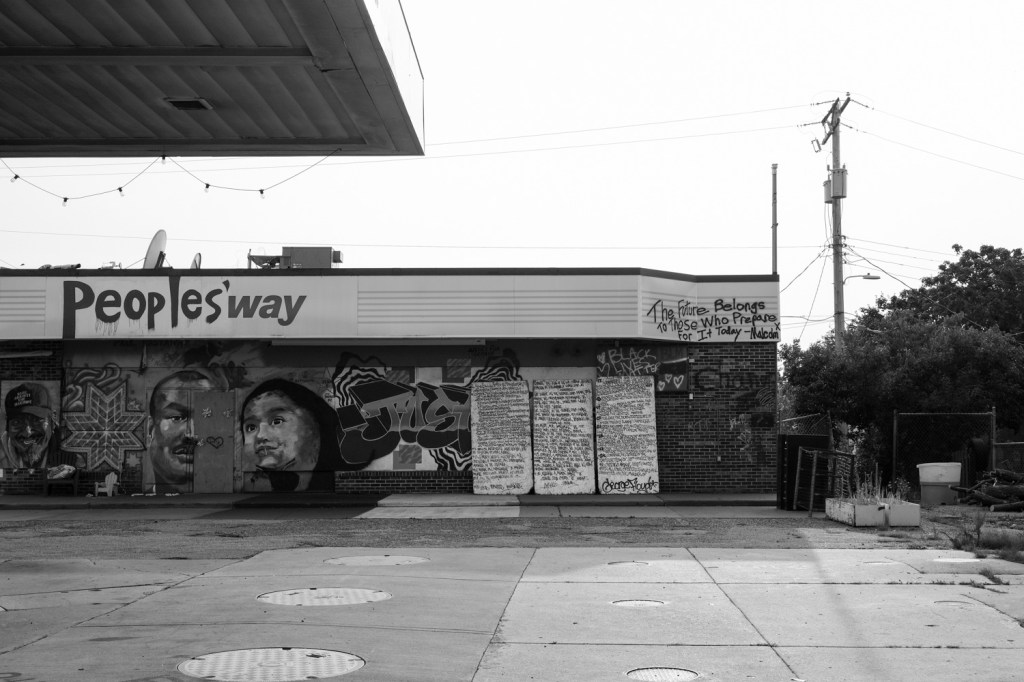
When we got to the edge of the area now known as George Perry Floyd Square and saw the mural of his face on the side of a church, I was already feeling overwhelmed with emotion. It wasn’t a spectacle I wanted to gawk at as we drove past. My partner was showing me around Minneapolis, places where she grew up before moving to Canada. We added this spot to our agenda as we wanted to witness the place where it happened, really feel it and get a sense of the community in this area. We parked some blocks away and walked in. The street has been calmed and cordoned off. Names of shops had been changed, murals and artwork appeared all over the place – many with the now familiar face of George front and centre. Cup Foods is now Unity Foods and the gas station across the street is called the People’s Way, a choice quote from Malcolm X on the walls.
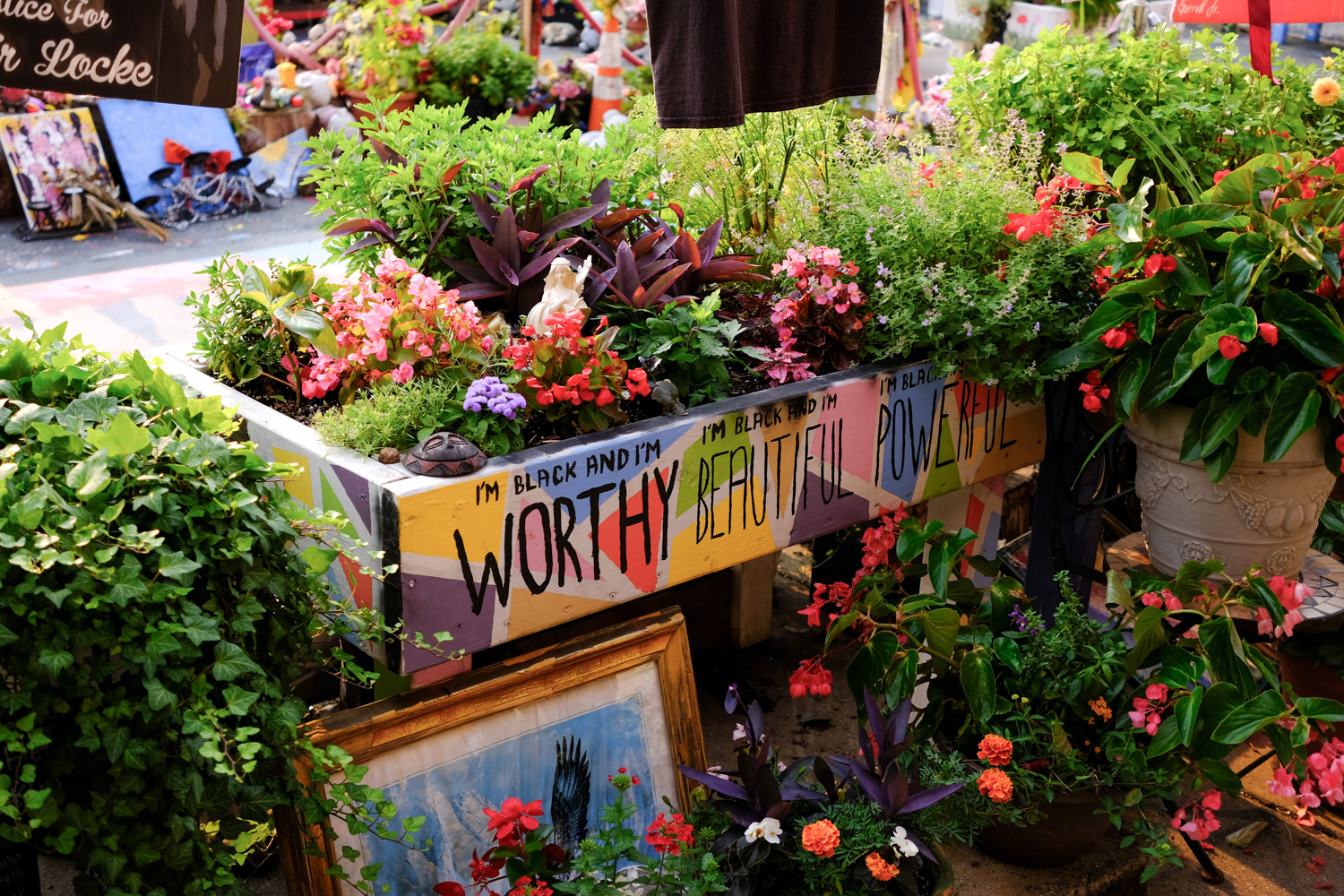
The corner where it all happened is a living memorial. And not just for George either, as others had met their fate on these streets before and after. The colourful area was a touching and somber spot with teddy bears, messages of hope and unity, pleas for justice. As George had called to his mother and kids, the family connection was strong and a thread to follow as the community rebuilds. We spoke with activists in the area who told us about the day and weeks that followed. How even now the ambulances won’t cross into this area, and the cops are still not welcome for foot patrols. We saw outreach as folks came to pay respects. Some kids rode by on their bikes and didn’t realize where they were until one of them shouted to the others and they all stopped to look.
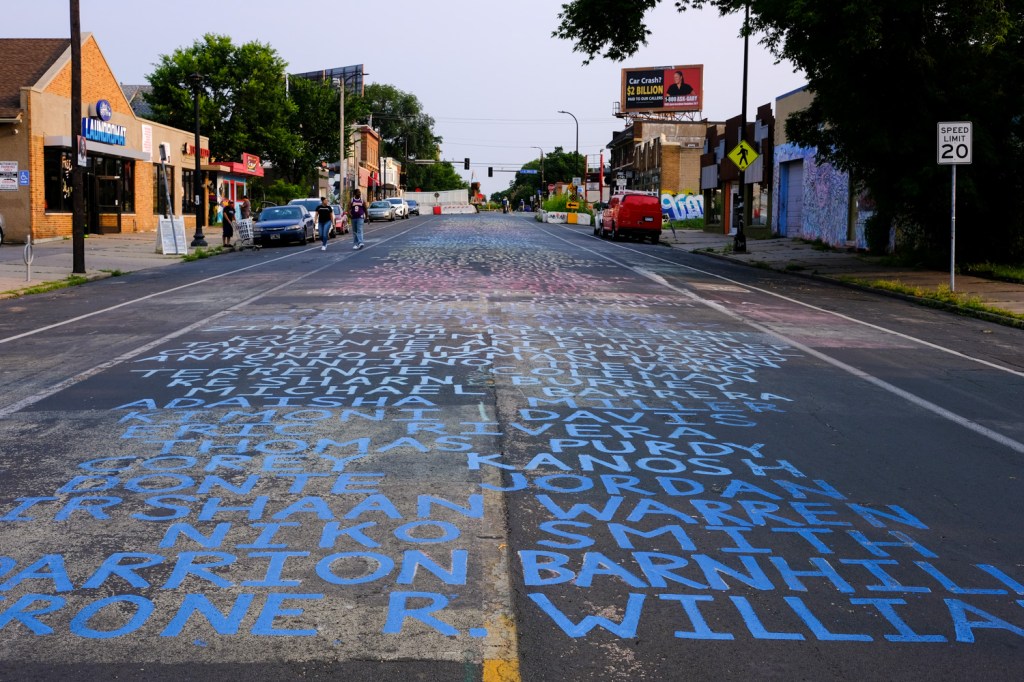
“Say Their Names”
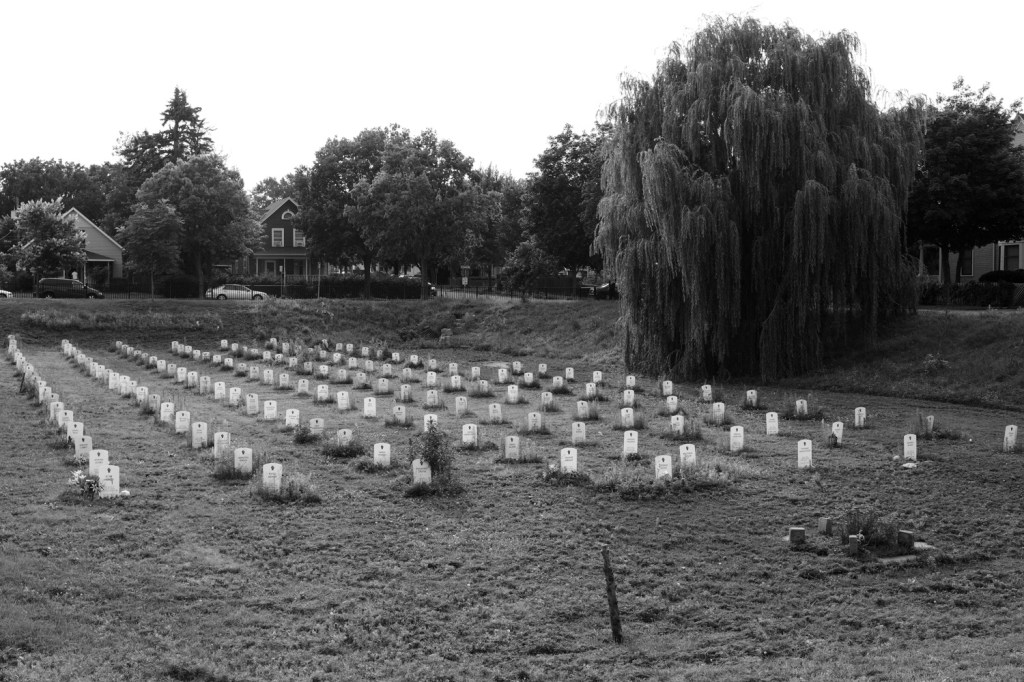
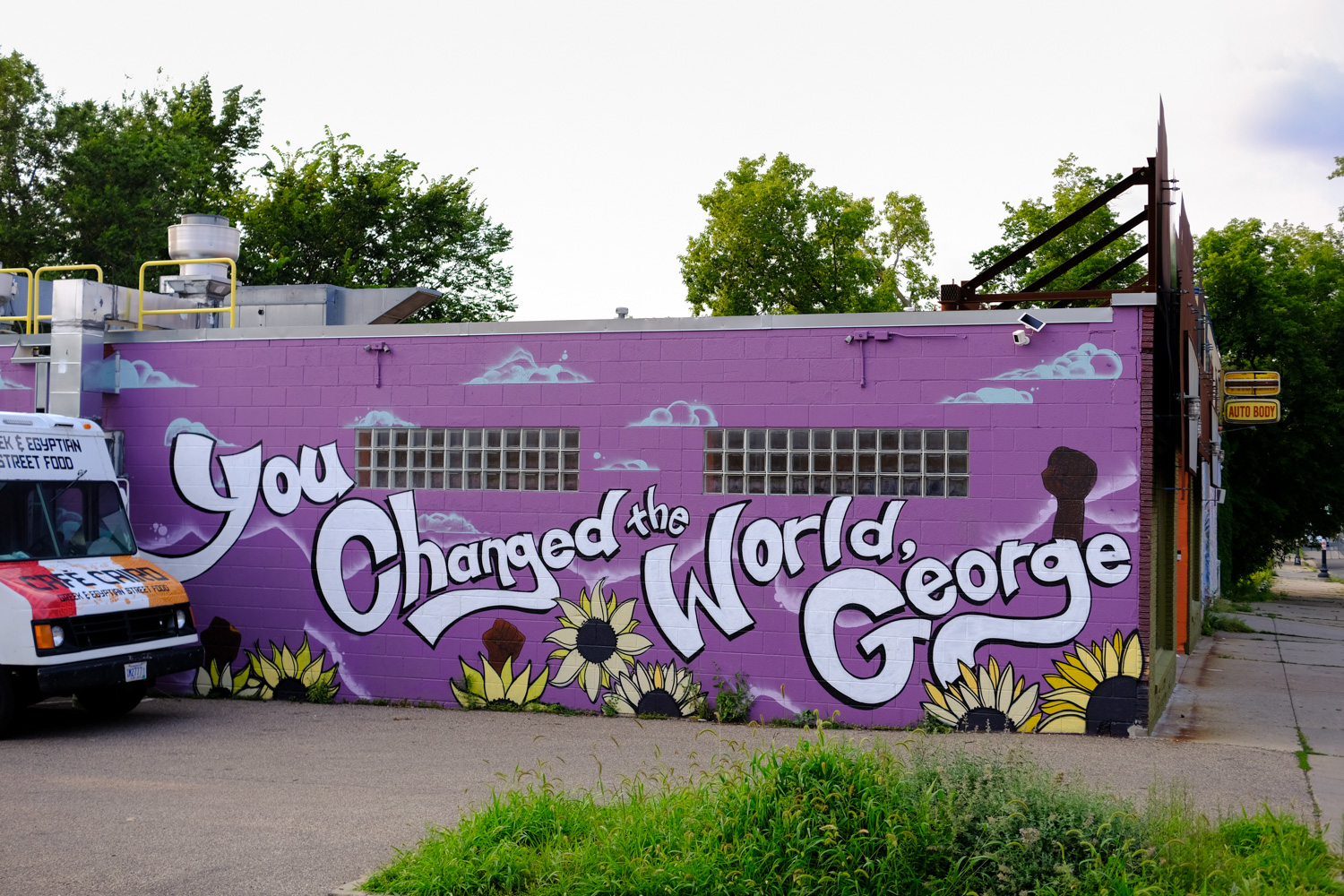
Down the street an art installation had taken over a field. The Say Their Names Cemetery features headstones for 100 humans — black people killed by police, a haunting row after row of markers for stolen lives. The walk back to the Square followed city blocks covered in many more names written as tribute to men and women, young and old. “You Changed the World, George” reads one mural, purple with flowers. People in all 50 states came together to decry police violence, growing into what the New York Times called the largest protest movement since the Civil Rights era. Murals for George can be seen in major cities around the world and protests in solidarity sprung up globally as well.
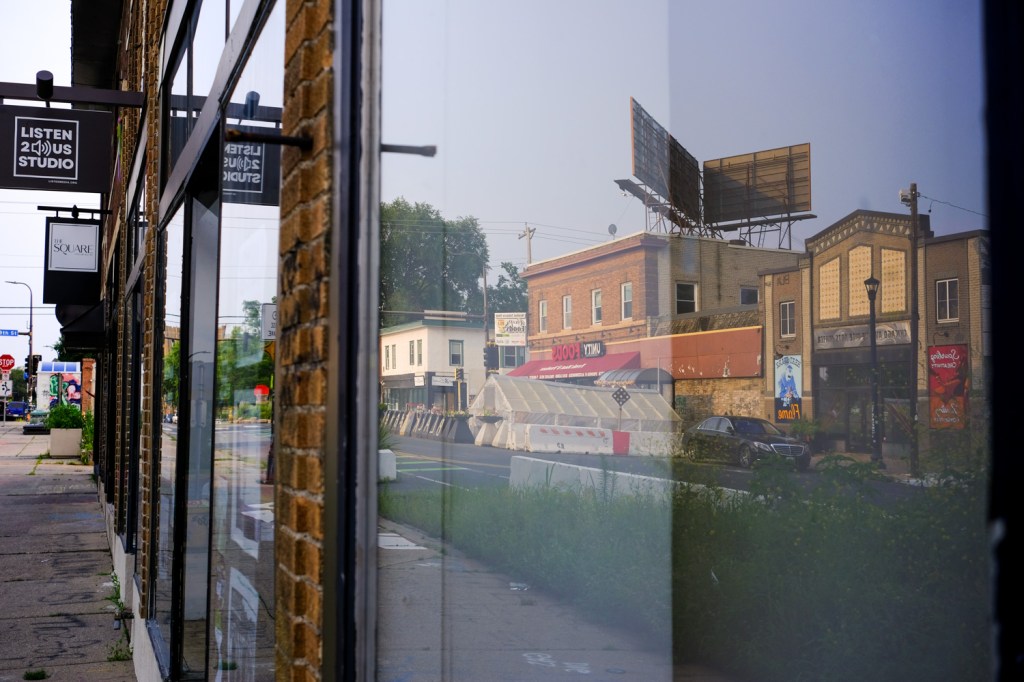
It was powerful to be there on a quiet night, taking it all in and feeling the weight of the place. We saw some images from the days that followed, clashes with police as anger boiled over and calm was difficult to manifest. Those streets were wild, passionate and filled with people who cared deeply about each other. The flashpoint was the death, but the anger and mistrust towards police was simmering long before. Those four officers were fired and Chauvin is in jail, serving 22 years for second-degree murder. The Minneapolis Police Chief said the force was ‘complicit’ in the death and called out the other three men for not speaking up as their colleague went overboard. Calls to defund the police continue, but as we are seeing today in the USA, racial tensions and fear of ‘the other’ remains a significant roadblock to equity.
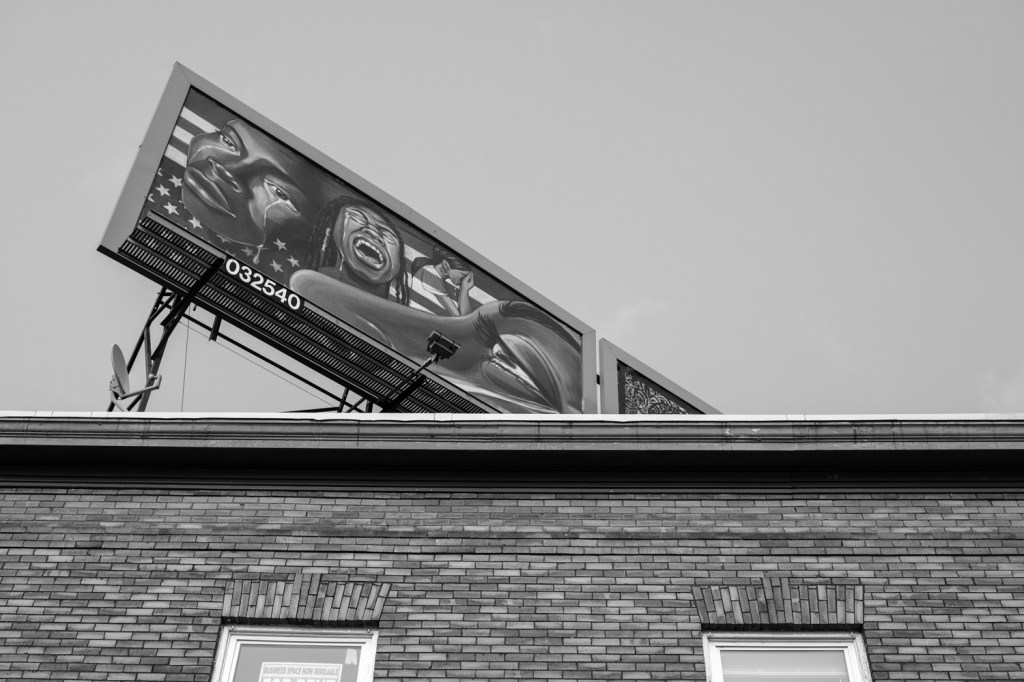
“I Can’t Breathe”
There is a debate about next steps and how to best honour the memorial site and open up the neighbourhood again. A public place to grieve is important, it allows people to come together and reflects a shared experience. Minneapolis recently experienced further trauma — an invasion by their own federal government, armed agents storming homes and business, often masked and with little accountability. Innocent people were killed, wounded, abducted and pulled from communities just months ago. Minnesotans fought back, as they do, with lessons learned from the George Floyd protests. Women were at the forefront, using these tactics to further deal with the domestic terrorism of ICE in a peaceful way.
Hope is always a way forward. I can only hope we treat these events with reverence and these places as the historical markers they are. As a visitor, it’s important to look at these hard places, the deep wounds exposed and the realities of life foreign to someone like me. I can walk around generally unafraid of being harassed by police. Lots of folk can not. Until they can, a just world is something to, yes, stay hopeful for but action, trust and systemic change must follow.
Photos taken July 21, 2024 in Minneapolis, Minnesota. Click a smaller image to view large.
Writing and Photography by David Niddrie. Images and text are available for license, please get in touch.
Discover more from Meeting Fires Creative
Subscribe to get the latest posts sent to your email.


 Meeting Fires Creative